Can Sodium Polyacrylate Be Absorbed into the Skin? Is It Safe?
Sodium polyacrylate, a superabsorbent polymer known for its exceptional water retention properties, is widely used in cosmetics. This article delves into its chemical composition, interaction with the skin, role in cosmetic formulations, and safety profile.
Chemical Composition and Mechanism of Action of Sodium Polyacrylate
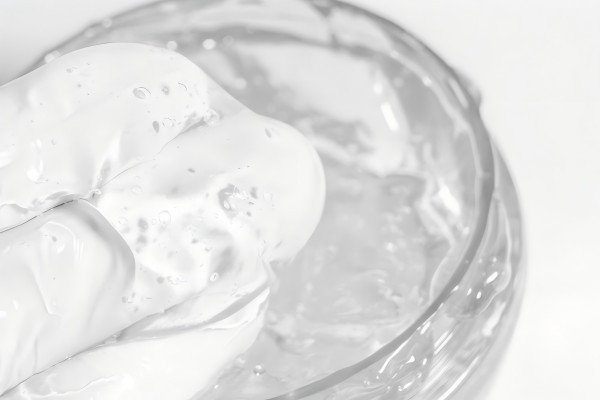
Sodium polyacrylate is a polymer formed from the sodium salt of polyacrylic acid. Its structure consists of repeating units of acrylic acid, which are neutralized with sodium hydroxide. The cross-linked nature of this polymer allows it to absorb and retain water, swelling to form a gel-like substance. This high water-absorbing capacity is due to the ionic nature of the sodium polyacrylate chains, which attract and hold water molecules.
Mechanism of Sodium Polyacrylate Absorption on the Skin
Sodium polyacrylate, a large and highly cross-linked polymer, interacts with the skin in specific ways due to its unique properties. Here is a detailed examination of how sodium polyacrylate behaves when applied to the skin:
Surface-Level Action
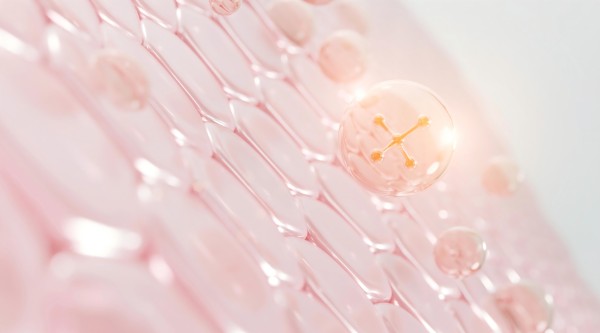
Sodium polyacrylate's large molecular size and cross-linked structure prevent it from penetrating the stratum corneum, the outermost layer of the skin. Instead, it remains on the surface, where it performs its primary functions. This surface-level action is beneficial for creating a protective, hydrating barrier without risking deeper skin absorption.
Water Absorption and Retention
One of sodium polyacrylate's most notable characteristics is its ability to absorb and retain water. When applied to the skin, it attracts moisture from the surrounding environment and holds it on the skin's surface. This creates a moist environment that can enhance skin hydration and improve the overall texture and feel of the skin.
Barrier Function
By forming a gel-like layer on the skin, sodium polyacrylate acts as a barrier that can protect the skin from external irritants and reduce transepidermal water loss (TEWL). This barrier function helps to maintain the skin's natural moisture levels and supports its barrier integrity.
Compatibility with Active Ingredients
While sodium polyacrylate itself does not penetrate the skin, it can help deliver smaller, water-soluble active ingredients more effectively. By maintaining a hydrated environment on the skin’s surface, it can facilitate the penetration of these smaller molecules. This enhanced delivery is especially beneficial for ingredients like hyaluronic acid, which can penetrate better in a well-hydrated environment.
Non-Irritant Properties
Studies have shown that sodium polyacrylate, when used in appropriate concentrations in cosmetic formulations, does not irritate the skin. Its large molecular size ensures that it remains on the skin's surface, reducing the risk of irritation or sensitization. However, as with any ingredient, individuals with extremely sensitive skin should perform a patch test before using products containing sodium polyacrylate.
Role in Product Consistency
Sodium polyacrylate helps improve the consistency and spreadability of cosmetic products. This ensures even application, which is critical for the uniform delivery of active ingredients across the skin. The improved texture and feel of products containing sodium polyacrylate also contribute to a better user experience.
In conclusion, sodium polyacrylate's action on the skin is primarily at the surface level, where it forms a hydrating, protective barrier. Its inability to penetrate the skin makes it safe for topical use, while its water retention properties enhance skin hydration and improve the delivery of active ingredients.
The Content of Sodium Polyacrylate in Various Types of Cosmetics

In cosmetic formulations, sodium polyacrylate is commonly used as a thickening, stabilizing, and film-forming agent. It is found in a variety of products, including moisturizers, creams, lotions, and gels. Typically, the concentration of sodium polyacrylate in these products ranges from 0.1% to 3%. This low concentration is sufficient to enhance the texture and stability of the products while ensuring safety for the user.
- Moisturizers and Creams: Sodium polyacrylate is commonly used in concentrations ranging from 0.1% to 2%. It acts as a thickening agent, providing a smooth and rich texture to the product while enhancing moisture retention on the skin.
- Lotions: In lotions, sodium polyacrylate is used at similar concentrations, typically between 0.1% and 2%. It helps stabilize the formulation, ensuring an even consistency and preventing the separation of ingredients.
- Gels: For gel-based products, such as facial gels and hair gels, the concentration of sodium polyacrylate can range from 0.5% to 3%. Its gel-forming properties provide the desired viscosity and help maintain the gel's structure.
- Sunscreens: Sodium polyacrylate is included in sunscreens at concentrations of 0.1% to 1%. It helps to disperse the active ingredients evenly, enhancing the product's stability and application.
- Serums: In serums, which require a lightweight and easily absorbable formulation, sodium polyacrylate is used sparingly, typically between 0.1% and 0.5%. It contributes to the serum's consistency and helps deliver active ingredients effectively.
How Sodium Polyacrylate Carries the Active Ingredients of Cosmetics

Sodium polyacrylate plays a crucial role in the effective delivery of active ingredients in cosmetic formulations. Its unique properties contribute to the stability and performance of these products, ensuring that active ingredients are efficiently delivered to the skin. Here’s a detailed look at how sodium polyacrylate facilitates this process:
Stabilizing Active Ingredients
Controlled Release
Enhanced Penetration
Improved Texture and Application
Hydration and Moisture Retention
In summary, sodium polyacrylate’s ability to stabilize, control the release, and enhance the penetration of active ingredients makes it a valuable component in cosmetic formulations. Its role in improving texture and hydration further supports the effective delivery of these ingredients, ensuring that consumers receive the full benefits of their skincare products.
Assessing the Safety of Sodium Polyacrylate on Skin

Sodium polyacrylate is widely used in cosmetics due to its beneficial properties, but its safety on the skin is a common concern. Here is a detailed analysis of its potential effects and safety profile:
Molecular Structure and Skin Penetration: The large molecular size and cross-linked structure of sodium polyacrylate prevent it from penetrating the skin. This characteristic minimizes the risk of systemic exposure and adverse reactions, as the polymer remains on the surface of the skin.
Non-Irritating Nature: Sodium polyacrylate is generally considered non-irritating when used at appropriate concentrations in cosmetic formulations. Studies and regulatory reviews have shown that it does not cause irritation or sensitization in most individuals. However, those with extremely sensitive skin or specific allergies should conduct a patch test before using products containing this ingredient.
Regulatory Approval: Regulatory bodies, including the Cosmetic Ingredient Review (CIR) Expert Panel, have evaluated the safety of sodium polyacrylate. These assessments have concluded that it is safe for use in cosmetics at the typical concentrations used, which range from 0.1% to 3%. This endorsement is based on comprehensive reviews of available scientific data and ensures that products containing sodium polyacrylate meet safety standards.
Potential for Minor Irritation: While sodium polyacrylate is generally safe, it can cause minor irritation in some individuals, particularly those with pre-existing skin conditions or very sensitive skin. Symptoms of irritation may include redness, itching, or a slight burning sensation. To minimize the risk of irritation:
- Perform a patch test on a small area of skin before using a new product.
- Follow the product’s usage instructions carefully.
- Discontinue use if any signs of irritation occur and consult a dermatologist if necessary.
Environmental and Health Considerations: Sodium polyacrylate is considered safe for human health when used in cosmetics. However, there are concerns about its environmental impact, particularly in terms of biodegradability and aquatic toxicity. Cosmetic manufacturers are increasingly aware of these concerns and are working towards more sustainable formulations and practices.
Inert and Stable Nature: Sodium polyacrylate is chemically inert and stable, meaning it does not react with other ingredients in the formulation or degrade into harmful substances. This stability ensures that it does not release harmful by-products that could affect the skin.
Precautionary Measures: To further ensure safety, consumers can take the following measures:
- Use products from reputable brands that adhere to safety and regulatory standards.
- Check product labels for the concentration of sodium polyacrylate and avoid those with unusually high levels.
- Be aware of personal skin sensitivities and choose products formulated for sensitive skin if necessary.
In conclusion, sodium polyacrylate is considered safe for use in cosmetics when formulated correctly. Its large molecular size and inert nature prevent skin penetration and minimize the risk of irritation.
Conclusion
In summary, sodium polyacrylate is a versatile and effective ingredient in cosmetic formulations. Its unique properties enhance product performance and stability while posing minimal risk to skin health. By understanding its role and taking appropriate precautions, consumers can benefit from the hydrating and stabilizing effects of products containing sodium polyacrylate.
Raw Material of Cosmetics: Sodium Polyacrylate