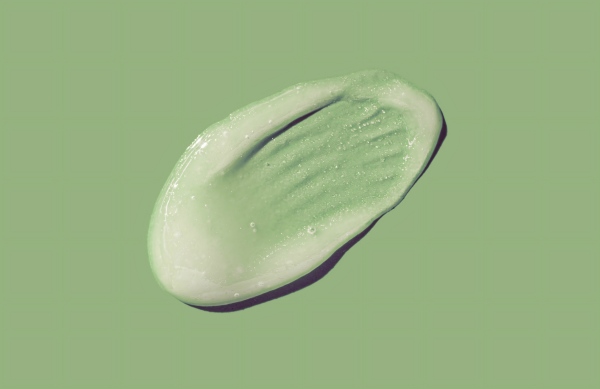
Is Sodium Polyacrylate Starch Comedogenic? A Complete Safety Guide

In the cosmetics, personal care, and food industries, sodium polyacrylate starch is a widely adopted composite ingredient. However, misconceptions about its comedogenicity linger among professionals and end-users alike. This guide clarifies whether sodium polyacrylate starch causes breakouts, analyzes its safety profile, explores practical applications, and highlights how our premium sodium polyacrylate starch can address your formulation needs effectively.
1. Understanding Sodium Polyacrylate Starch: Composition & Nature
First, it is crucial to clarify that sodium polyacrylate starch is a composite material blending sodium polyacrylate (a synthetic polymer) and starch (a natural polysaccharide)—not a single standard chemical compound. This blend integrates the unique properties of both components, rendering it versatile across industries, and its comedogenicity is determined by the individual characteristics of each constituent.
Key Components of Sodium Polyacrylate Starch
- Sodium Polyacrylate: A water-soluble synthetic polymer produced via acrylic acid polymerization. It offers exceptional water absorption and thickening stability, with zero lipid solubility—making it perfect for formulating lightweight, oil-free products.
- Starch: A natural polysaccharide extracted from grains or tubers, available in unmodified and modified (e.g., cationic, esterified) forms. It functions as a texture adjuster and oil absorber, complementing the functional properties of sodium polyacrylate seamlessly.
2. Comedogenicity of Sodium Polyacrylate Starch: Low-Risk Profile
Comedogenicity refers to an ingredient’s potential to clog skin pores and trigger acne, evaluated on a 0-5 scale (0 = non-comedogenic, 5 = highly comedogenic). For sodium polyacrylate starch, the overall comedogenic risk is extremely low, primarily due to its core components:
Why Sodium Polyacrylate Starch Is Not Comedogenic
- Sodium Polyacrylate (Rating 0-1): Fully water-soluble and non-lipophilic, it cannot penetrate the skin’s oil layer or accumulate in hair follicles—effectively eliminating pore-clogging risks. Its large molecular weight ensures it remains on the skin’s surface, making it safe for oily and acne-prone skin types.
- Starch (Rating 1-2): Natural starch exhibits minimal comedogenicity. Modified starch, with enhanced hydrophobicity and stability, reduces surface residue while maintaining low risk. When combined with sodium polyacrylate, the composite’s non-comedogenic characteristics are further strengthened.
Note: Only when paired with highly comedogenic ingredients (e.g., heavy mineral oils, synthetic esters) might the formulation feel heavy—but this is a result of the auxiliary components, not sodium polyacrylate starch itself.
3. Applications of Sodium Polyacrylate Starch Across Industries
Benefiting from its low comedogenicity and multifunctional advantages, sodium polyacrylate starch is trusted in a wide range of formulations:
- Cosmetics & Personal Care: It is used in oil-free lotions, toners, and oil-absorbing sheets—an ideal choice for acne-prone skin products, thanks to its lightweight texture.
- Food Industry: As a food-grade thickener and stabilizer, it is applied in sauces, beverages, and processed foods to ensure consistent texture without compromising safety.
4. Choose Our Sodium Polyacrylate Starch for Your Formulations
When selecting sodium polyacrylate starch, quality and consistency are non-negotiable—especially for B2B clients focusing on safety and performance. Our company specializes in manufacturing food-grade and cosmetic-grade sodium polyacrylate starch, with distinct advantages that set us apart:
- Controlled Low Comedogenicity: Rigorous testing verifies that our composite maintains a 0-2 comedogenic rating, ensuring safety for formulations targeting sensitive and acne-prone skin.
- Customizable Ratios: We tailor the blend ratio of sodium polyacrylate and starch to match your specific requirements, whether for lightweight cosmetic products or food texture enhancement.
- Strict Quality Assurance: Our production processes comply with global industry standards, guaranteeing purity, stability, and adherence to safety regulations for both food and personal care applications.
Backed by advanced R&D capabilities, our team of chemical experts provides professional technical support to optimize your formulations, helping you deliver safe, high-performance products that build long-term customer trust.
FAQs About Sodium Polyacrylate Starch
- Q: Is food-grade sodium polyacrylate starch safe for skincare? A: Yes. Food-grade standards ensure higher purity, making it safe for skincare formulations when sourced from a reliable supplier like us.
- Q: Can sodium polyacrylate starch cause skin allergies? A: The allergy risk is extremely low. Allergy differs from comedogenicity—only rare cases of polysaccharide sensitivity may occur, which is unrelated to pore clogging.
Ready to elevate your formulations with low-comedogenic, high-performance sodium polyacrylate starch? Contact us today to request samples, discuss custom solutions, or consult our R&D team for expert advice. We are dedicated to supporting your business growth with premium ingredients that balance safety and performance.
Sodium Polyacrylate Grafted Starch: Applications in the Beauty Industry Amid Green Chemical Trends
Acrylic acid-grafted starch: The Green Thickening Solution for Cosmetics