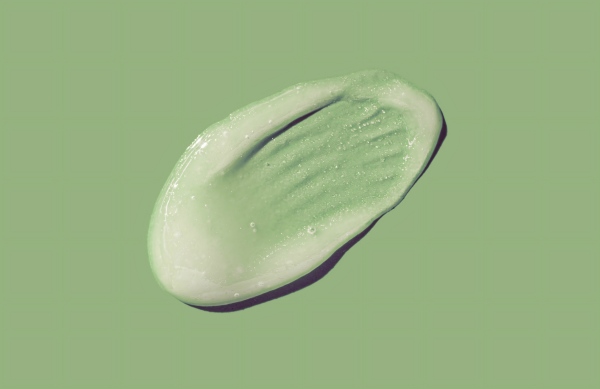
Acrylic acid-grafted starch - 300

Patch delivery technology is an important method for transdermal drug delivery. It achieves drug administration by loading drugs into patches, allowing direct delivery to the target site or into the body via the skin. Compared with traditional oral or injectable drug delivery methods, gel patches have the following significant advantages:
I. Effectively reduces systemic side effects. The drug primarily acts locally, reducing systemic absorption and thus lowering the risk of adverse reactions.
II. Significantly improves drug bioavailability. Transdermal absorption bypasses the first-pass effect of the liver, enhancing drug utilization efficiency.
III. Significantly improves patient compliance. Its convenient, non-invasive, and painless nature leads to high patient acceptance. However, this technology still faces the following major challenges.
- The skin's permeability barrier function limits drug absorption efficiency.
- Insufficient precision in drug release control makes it difficult to accurately regulate the release rate, easily leading to excessively rapid or insufficient release.
- Significant individual differences exist; skin type and absorption rate vary considerably among individuals, directly affecting treatment efficacy.
- High production costs. Material and process requirements result in persistently high manufacturing costs.Strict regulatory approvals require passing multiple quality and safety certifications.
- Product performance and efficacy are highly dependent on the matrix material. The compatibility between the drug and the matrix material directly affects product stability. Chemical reactions can lead to drug inactivation or the formation of byproducts, affecting efficacy and safety. Therefore, developing suitable matrix materials that ensure uniform drug distribution, stability, and controlled release is a key challenge in current research and development. Currently, research institutions and pharmaceutical companies are focusing their efforts on permeation-enhancing technologies, improving matrix materials, and developing personalized drug delivery systems.

Acrylic acid-grafted starch shows promising application prospects in this field. 3C7ST(CHOSENKIND Acrylic acid-grafted starch product model) is a functional material prepared by graft copolymerization of acrylic acid monomers and natural starch, combining the biocompatibility of starch with the physicochemical properties of acrylic acid. In patch delivery technology, 3C7ST mainly plays the following roles:
I.Enhancing mechanical strength and elasticity, maintaining the integrity and flexibility of the patch structure, and providing continuous support for the drug.
II.Regulating drug release, precisely controlling the release rate, and prolonging the duration of drug action.
CHOSENKIND's 3C7ST boasts a water absorption rate of up to 7.3 times its own weight and a viscosity of 50,000 MPa, making it an ideal choice for dressing materials. 3C7ST CDE number: F20250000431. Jiangmen Xinhui ZhongSheng Biotechnology Co., Ltd., a leading global enterprise in fine chemicals and polymer R&D, possesses significant competitive advantages in acrylic acid grafted starch production. These advantages encompass innovative technologies, quality control, and a wide range of applications. Key strengths include:
I. Innovative Grafting Polymerization Technology. Advanced grafting technology achieves efficient bonding between acrylic monomers and starch chains. This significantly improves the material's water absorption, elasticity, and mechanical strength. The grafting degree and molecular structure can be flexibly adjusted according to specific application needs, providing customized solutions for different drug delivery systems.
II. Stable Product Quality and Batch Consistency. Strict adherence to high-standard production processes and quality control systems ensures stable performance in every batch of 3C7ST. This is crucial for drug delivery applications, effectively preventing product performance fluctuations. All products have passed rigorous quality and safety certifications, complying with relevant regulations for pharmaceuticals and medical devices.
III. Excellent Biocompatibility. Acrylic grafted starch incorporates the natural biocompatibility of starch, ensuring the product is non-toxic and non-irritating. It is particularly suitable for long-term skin contact applications. The natural starch component is biodegradable, making it safer and more environmentally friendly, meeting sustainable development requirements.
IV. Wide Application Adaptability and Flexibility. 3C7ST not only excels in dressings but can also be applied to other drug delivery systems, food supplements, and cosmetics, demonstrating excellent versatility. By adjusting parameters such as grafting rate, viscosity, and water absorption, it can be flexibly adapted to the needs of different drugs and application scenarios.
V. Comprehensive Technical Support and Market Advantages. We provide comprehensive technical support to assist in solving technical challenges in product development and ensure the smooth progress of R&D. CHOSENKIND acrylic-grafted starch can be delivered to global customers efficiently and safely.
CHOSENKIND's 3C7ST product, relying on innovative mechanisms, a strict quality control system, excellent biocompatibility, wide application scenarios, and professional technical support, has become the preferred material in the field of transdermal drug delivery technology. This product has significant advantages in ensuring drug delivery effectiveness, optimizing transdermal performance, and improving water absorption and stability, providing a safe, reliable, efficient, and convenient solution for drug delivery systems.
For specific information on the 3C7ST series products, please contact sales5@chosenkind.com
Acrylic acid-grafted starch: The Green Thickening Solution for Cosmetics