Application of Low Molecular Weight Sodium Polyacrylate
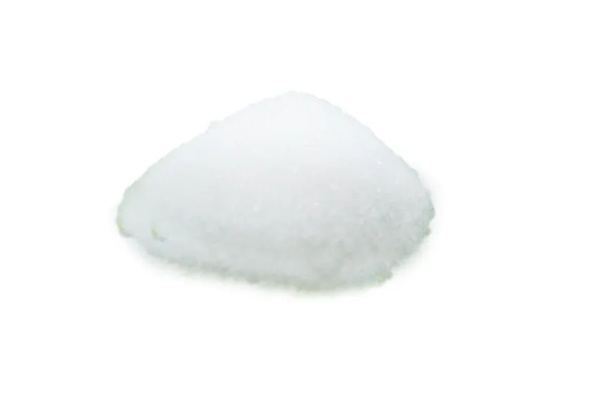
Polyacrylic Acid (Sodium), or PAA(S), is a high molecular weight polyelectrolyte known for its excellent chelating properties. It is synthesized by polymerizing acrylic acid monomers in an aqueous solution using persulfates as initiators. When used as a scale inhibitor, it is most effective with a molecular weight below 10,000. The applications of PAA(S) are heavily influenced by its molecular weight.
Low molecular weight PAA(S) is primarily utilized as a pigment dispersant and water treatment scale dispersant. Medium molecular weight PAA(S) serves as a thickener, viscosity stabilizer, and water retention agent. High molecular weight PAA(S) is used as a flocculant and thickener. When using PAA(S), it is recommended to add corrosion inhibitors to prevent copper corrosion.
Mechanisms of Polyacrylic Acid (Sodium) as a Scale Inhibitor
Low molecular weight PAA(S) demonstrates excellent water solubility and dispersibility, binding with multivalent ions like calcium and magnesium to form soluble chain anions. This makes it highly effective in industrial water treatment as a scale and dispersant agent, ceramic dispersant, paper dispersant, cement water reducer, detergent additive, fertilizer additive, fiber sizing agent, and metal quenching agent.
The scale inhibition mechanism of PAA(S) includes:
- Chelation and solubilization: It binds with ions to prevent scale formation.
- Lattice distortion: It disrupts crystal growth.
- Electrostatic repulsion: It enhances dispersibility to prevent particle aggregation.
Due to its multiple carboxyl groups and solvated chains, PAA(S) adsorbs onto microcrystals of sparingly soluble inorganic salts or forms loose micro-particle aggregates, preventing crystal growth and achieving scale inhibition.
Dispersing Mechanism of Polyacrylic Acid (Sodium)
The dispersing action of low molecular weight PAA(S) includes:
- Adsorption on solid particles: It enhances wetting of aggregated solid particle surfaces.
- Formation of adsorption layers: It increases surface charge, enhancing repulsive forces between particles.
- Double layer formation: It creates a double electric layer on particles, increasing repulsion and preventing aggregation.
- System uniformity: It improves suspension stability and prevents sedimentation, maintaining uniform physical and chemical properties.
Application Research of Low Molecular Weight Polyacrylic Acid (Sodium)
The primary application of low molecular weight PAA(S) is in industrial circulating cooling water treatment, where it effectively prevents calcium and magnesium ions from forming scales in pipelines and equipment. It is an excellent scale dispersant in water purification equipment and seawater desalination systems.
With active carboxyl groups, PAA(S) dissociates in water to form anionic groups, serving as a dispersant for pigments and inorganic salts. These anionic groups adsorb onto the surfaces of dispersed particles, creating a stable diffusion layer that prevents flocculation through electrostatic repulsion.
In the paper industry, PAA(S) functions as an organic dispersant:
- Hydrogen bonding: It bonds with paper fibers, enhancing strength and water resistance.
- Fiber retention: It reduces fiber loss during paper production, increasing retention.
- Pigment fineness and stability: It improves pigment dispersion, stability, flexibility, strength, gloss, whiteness, and water retention of paper.
Due to its water solubility, non-hydrolyzable nature, non-flammability, non-toxicity, and non-corrosiveness, PAA(S) is an indispensable additive in the paper industry, gaining increasing importance.
Conclusion
Polyacrylic Acid (Sodium), or PAA(S), is a versatile and effective polyelectrolyte with extensive applications in industrial and water treatment processes. Its varying molecular weights cater to different uses, from pigment dispersants and scale inhibitors to thickeners and flocculants. The unique chelating and dispersing properties of PAA(S) make it invaluable in preventing scale formation and enhancing the stability and efficiency of various industrial systems. Its non-toxic, non-flammable, and non-corrosive nature further underscores its indispensability, particularly in the paper industry where it significantly improves product quality and production efficiency. As industries continue to seek more efficient and environmentally friendly solutions, PAA(S) remains a critical component in meeting these demands.
Sodium Polyacrylate: The Unsung Hero in Thickeners
Environmental Impact of Sodium Polyacrylate: Benefits and Challenges