Environmental Impact of Sodium Polyacrylate: Benefits and Challenges
Sodium polyacrylate is a synthetic polymer renowned for its exceptional water-absorbing capabilities. Widely used across various industries, including agriculture, personal care, and medicine, this compound offers significant advantages. However, its extensive use also brings potential environmental challenges. This article delves into the environmental impact of sodium polyacrylate, exploring both its benefits and the challenges it poses.
What is Sodium Polyacrylate?
Sodium polyacrylate, also known as waterlock, is a superabsorbent polymer (SAP) made from the polymerization of acrylic acid and sodium hydroxide. Its chemical structure allows it to absorb and retain water many times its own weight, making it invaluable in applications requiring high moisture absorption and retention.

Environmental Benefits of Sodium Polyacrylate
Water Conservation in Agriculture:
- Enhanced Soil Moisture: Sodium polyacrylate is extensively used as a soil conditioner to improve water retention. It helps maintain soil moisture, reducing the need for frequent irrigation.
- Drought Mitigation: By retaining water in the soil, sodium polyacrylate aids in plant survival during drought conditions, contributing to better crop yields and food security in arid regions.
- Efficient Water Use: Its use in agriculture promotes efficient water resource management, crucial for regions facing water scarcity. This efficiency supports sustainable farming practices and conserves valuable water resources.
Waste Reduction in Personal Care Products:
- Increased Absorbency: In products like diapers and sanitary napkins, sodium polyacrylate enhances absorbency, reducing the frequency of changes and thus decreasing the overall waste generated.
- Extended Product Life: The high absorbency extends the usable life of these products, resulting in fewer items being disposed of, which subsequently reduces landfill waste.
Medical Applications:
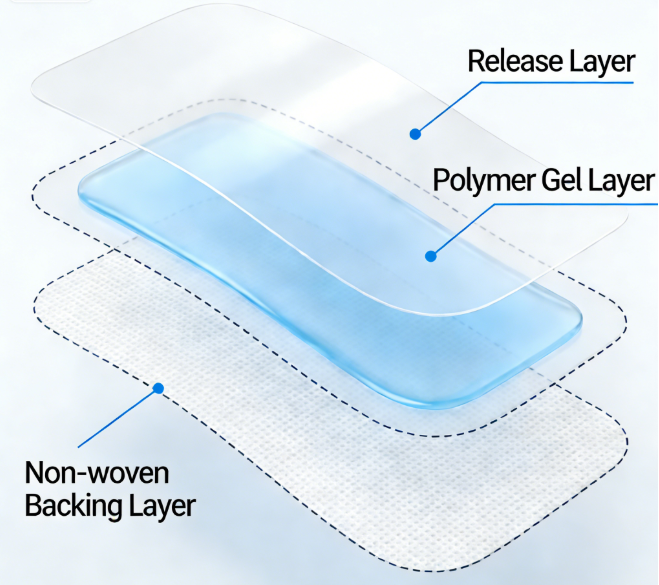
- Effective Wound Care: In medical dressings, sodium polyacrylate’s absorbent properties help manage wound exudate efficiently, promoting faster healing and reducing the frequency of dressing changes.
- Controlled Drug Release: It is used in controlled-release drug delivery systems, ensuring medications are released at an appropriate rate, improving patient outcomes and reducing the need for frequent dosing.
Environmental Challenges of Sodium Polyacrylate
Non-Biodegradability:
- Persistent Waste: Sodium polyacrylate is not biodegradable, meaning it can persist in the environment for a long time. This persistence contributes to the growing problem of plastic pollution.
- Landfill Accumulation: Products containing sodium polyacrylate, such as disposable diapers and sanitary napkins, often end up in landfills, adding to solid waste challenges.
Potential Soil and Water Contamination:
- Microplastic Pollution: Degradation of products containing sodium polyacrylate can lead to the release of microplastics, which can contaminate soil and water bodies. These microplastics pose a risk to aquatic life and ecosystems.
- Chemical Leaching: There is a risk of chemical leaching from sodium polyacrylate into soil and groundwater. This leaching could have adverse environmental effects, potentially affecting plant and animal life.
Resource-Intensive Production:
- Energy Consumption: The production of sodium polyacrylate is energy-intensive, contributing to greenhouse gas emissions and climate change.
- Raw Material Use: The manufacturing process relies on petroleum-based raw materials, which are non-renewable and contribute to the depletion of natural resources.
Disposal and Recycling Challenges:
- Complex Disposal: Proper disposal of products containing sodium polyacrylate is challenging due to their non-biodegradable nature. Inappropriate disposal can lead to environmental contamination.
- Limited Recycling Options: Recycling of sodium polyacrylate is limited, and finding sustainable disposal methods remains a significant challenge.
Mitigation Strategies
Development of Biodegradable Alternatives:
- Research and Innovation: Investing in research to develop biodegradable superabsorbent polymers can help mitigate the environmental impact of sodium polyacrylate.
- Sustainable Materials: Using renewable and sustainable raw materials in the production of superabsorbent polymers can reduce dependency on petroleum-based resources and decrease environmental impact.
Improved Waste Management:
- Recycling Programs: Implementing effective recycling programs for products containing sodium polyacrylate can help reduce landfill accumulation. This includes developing technologies and processes to recycle superabsorbent polymers efficiently.
- Composting Innovations: Exploring the potential for composting biodegradable versions of superabsorbent polymers can offer a sustainable disposal solution, converting waste into useful organic matter.
Regulatory Measures:
- Environmental Regulations: Enforcing regulations on the use and disposal of sodium polyacrylate can help minimize its environmental impact. Regulations can ensure proper handling and disposal practices are followed to prevent environmental contamination.
- Product Labeling: Mandating clear labeling of products containing sodium polyacrylate can raise awareness among consumers and promote responsible disposal practices. Educating consumers about the environmental impact and proper disposal methods is crucial.
Conclusion
Sodium polyacrylate provides significant environmental benefits, particularly in water conservation and waste reduction. However, its non-biodegradable nature and potential for pollution present considerable challenges. Addressing these challenges requires a multifaceted approach, including the development of biodegradable alternatives, improved waste management practices, and stringent regulatory measures. By balancing its benefits with environmental considerations, we can ensure the sustainable use of sodium polyacrylate.
Application of Low Molecular Weight Sodium Polyacrylate
Is Sodium Polyacrylate Toxic? Unveiling the Truth Behind This Common Absorbent