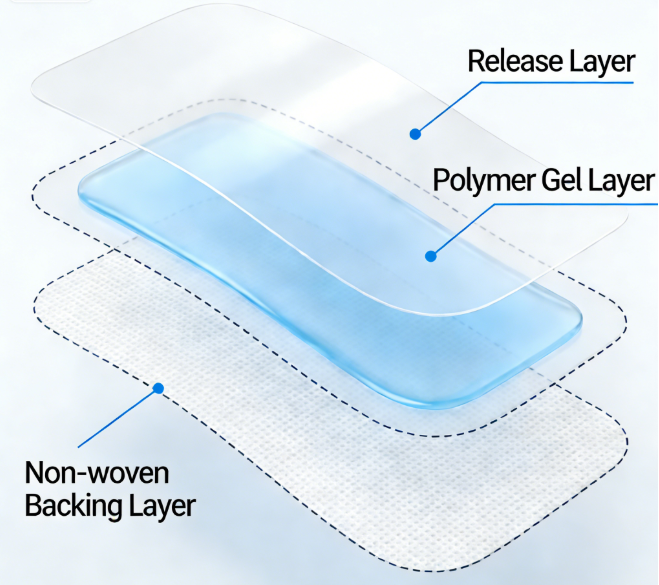
Is Sodium Polyacrylate Toxic? Unveiling the Truth Behind This Common Absorbent

Is sodium polyacrylate toxic? This question has sparked a mix of curiosity and concern among consumers, health experts, and environmentalists alike. Sodium polyacrylate, a common absorbent found in products ranging from diapers to gardening soil, is renowned for its impressive absorption capabilities. But what lies beneath its super-absorbent surface? Is it truly safe for everyday use, or are there hidden health risks and environmental impacts we should be wary of?
Join me as we unveil the truth behind this ubiquitous polymer and answer the pressing question: is sodium polyacrylate toxic?
Chemical Composition of Sodium Polyacrylate: Are Its Ingredients Toxic?
To truly understand whether sodium polyacrylate is toxic, we must start by examining its chemical composition. Sodium polyacrylate is a sodium salt of polyacrylic acid, a type of polymer. Polymers are long chains of repeating molecular units, and in the case of sodium polyacrylate, these units are acrylate groups. The polymer is cross-linked to create a three-dimensional network, giving it the ability to absorb and retain large amounts of water relative to its own mass.

Sodium Polyacrylate Key Components:
- Acrylic Acid: The primary building block, acrylic acid, is a small organic molecule that polymerizes to form polyacrylic acid. In its monomeric form, acrylic acid can be irritating and harmful if inhaled or if it comes into contact with skin. However, once polymerized, its properties change significantly.
- Sodium Ions: These ions replace hydrogen atoms in the polyacrylic acid, forming the sodium salt, sodium polyacrylate. Sodium ions themselves are not harmful in the concentrations present in sodium polyacrylate.
- Cross-Linking Agents: These are chemicals used to link polymer chains together, enhancing the polymer’s ability to swell and retain water. Common cross-linking agents include ethylene glycol dimethacrylate and other similar compounds.
Sodium Polyacrylate Toxicity Considerations:
Polymerized Form vs. Monomeric Form: It’s crucial to differentiate between the polymerized form of sodium polyacrylate and its monomer, acrylic acid. While acrylic acid is toxic and can cause burns and respiratory issues, the polymerized form (sodium polyacrylate) is generally considered to be non-toxic. The polymer is stable, and the individual acrylate units are not easily released.
Residual Monomers: During manufacturing, there can be residual monomers or impurities left in the polymer. These residuals can be a concern if not adequately removed. High-quality manufacturing processes ensure that these levels are minimized, reducing the risk of toxicity.
Conclusion:
While the individual components of sodium polyacrylate in their raw, unpolymerized form can be toxic, the polymer itself, when properly manufactured and used, is considered non-toxic. High-quality production standards and the use of the polymer in appropriate forms (not as a fine powder) further mitigate potential risks.
How Sodium Polyacrylate Works: Absorption Efficiency vs. Toxicity Concerns
Sodium polyacrylate is celebrated for its remarkable absorption properties, which have made it a staple in products requiring high fluid retention. But how does it work, and what implications do its absorption efficiency have for toxicity concerns?
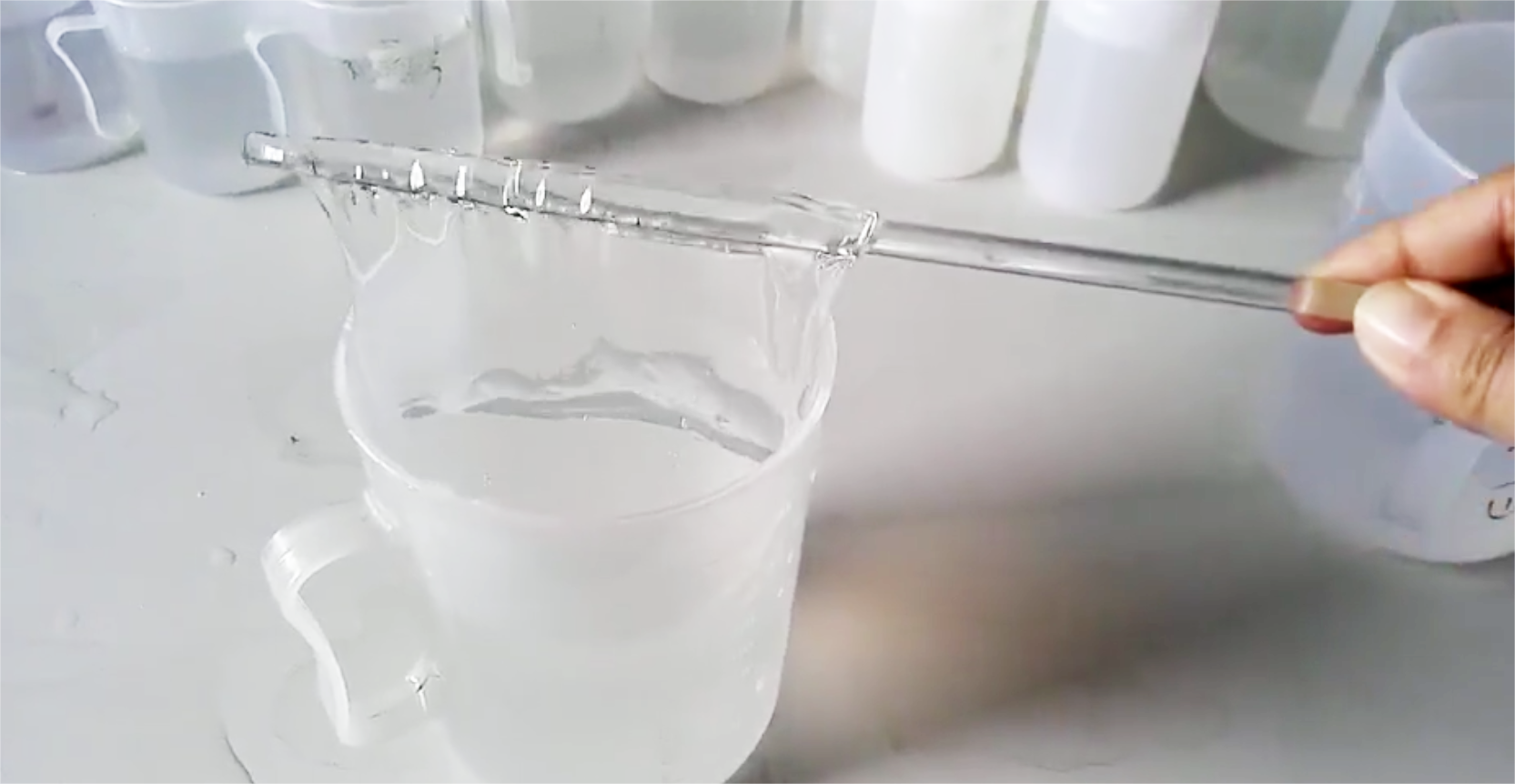
Sodium Polyacrylate Mechanism of Absorption:
Sodium polyacrylate is a superabsorbent polymer (SAP), capable of absorbing and retaining over 300 times its weight in water. This is due to its unique chemical structure. The polymer chains are cross-linked to form a network, which allows the material to swell without dissolving. When water comes into contact with sodium polyacrylate, the sodium ions (Na+) within the polymer network attract water molecules. This attraction causes the polymer to swell and form a gel-like substance.
Steps of Absorption:
- Contact: Water or other aqueous fluids come into contact with sodium polyacrylate.
- Attraction: The sodium ions within the polymer attract water molecules due to their hydrophilic nature.
- Swelling: The polymer network swells as it absorbs the water, forming a gel that can hold a large volume of liquid.
- Retention: The cross-linked structure of the polymer prevents the absorbed liquid from leaking, even under pressure.
Absorption Efficiency: The efficiency of sodium polyacrylate’s absorption capabilities is what makes it so valuable in applications such as diapers, adult incontinence products, and agricultural products. Its ability to absorb and retain large amounts of liquid ensures that products remain dry and comfortable, reducing the risk of skin irritation and other moisture-related issues.
Effect of absorption efficiency on toxicity:
The impressive absorption efficiency of sodium polyacrylate is generally viewed as an advantage, but it also raises some toxicity concerns:
Gastrointestinal Obstruction: If ingested in large quantities, the high absorbency of sodium polyacrylate can lead to gastrointestinal obstruction. This is particularly a concern in cases of accidental ingestion by children or pets. However, such incidents are rare and typically result from misuse.
Respiratory Irritation: In its powder form, sodium polyacrylate can be inhaled, leading to respiratory irritation. This is primarily a concern during the manufacturing process. End products like diapers or sanitary pads do not pose this risk because the polymer is encased and not present as a fine powder.
Skin Contact: Prolonged skin contact with the dry powder can cause mild irritation, but when used in products like diapers, the polymer is usually enclosed in layers of fabric, minimizing direct contact. Studies have shown that sodium polyacrylate does not penetrate the skin, reducing concerns about systemic toxicity.
Environmental Impact: While not directly related to human toxicity, the environmental impact of sodium polyacrylate must be considered. Its persistence in the environment and potential effects on wildlife are ongoing areas of research. Proper disposal and recycling practices can mitigate these concerns.
Balancing Absorption and Safety: Manufacturers design products with sodium polyacrylate to balance its absorption efficiency and safety. High-quality control measures ensure minimal residual monomers, reducing potential toxicity. In consumer products, the polymer is often encapsulated to prevent inhalation and skin contact, further enhancing safety.
Conclusion:
Sodium polyacrylate's ability to absorb vast amounts of liquid makes it incredibly useful in various applications. While its high absorbency raises some toxicity concerns, proper usage and manufacturing controls significantly mitigate these risks.
Comparing Sodium Polyacrylate with Other Absorbents: Which Is Less Toxic?
When evaluating absorbent materials, understanding their toxicity is crucial, especially for consumer safety and environmental impact. Sodium polyacrylate stands out for its high absorption efficiency, but how does it compare to other absorbents in terms of toxicity? Let’s delve into a comparative analysis of sodium polyacrylate versus other common absorbents.
1. Sodium Polyacrylate:
- Absorption Efficiency: Sodium polyacrylate is a superabsorbent polymer capable of absorbing over 300 times its weight in water. This makes it highly effective in products requiring maximum fluid retention, such as diapers, sanitary pads, and adult incontinence products.
- Toxicity: Generally considered non-toxic in its polymerized form. The primary concerns include gastrointestinal obstruction if ingested in large quantities and respiratory irritation from inhaling the powder. Proper encapsulation in consumer products minimizes these risks. Environmental concerns focus on its persistence and potential impact on wildlife, though it does not biodegrade easily.
2. Cellulose-Based Absorbents:
- Absorption Efficiency: Derived from plant fibers, cellulose-based absorbents like cotton and fluff pulp can absorb 10-20 times their weight in water. While less efficient than sodium polyacrylate, they are still widely used in absorbent products.
- Toxicity: Naturally occurring and generally non-toxic. However, chemical treatments during processing can introduce toxins. Bleaching agents and dyes may pose health risks, but high-quality, organic options minimize these concerns. Cellulose is biodegradable, making it environmentally friendly.
3. Silica Gel:
- Absorption Efficiency: Silica gel can absorb up to 40% of its weight in moisture. It’s commonly used in desiccant packets to keep products dry.
- Toxicity: Silica gel is considered non-toxic, although it can cause irritation if ingested or inhaled. Some silica gel packets contain cobalt chloride, a moisture indicator that is toxic and carcinogenic. Safe disposal is necessary to prevent environmental harm.
4. Bentonite Clay:
- Absorption Efficiency: Bentonite clay can absorb several times its weight in water, making it useful in cat litter and other moisture-absorbing applications.
- Toxicity: Natural bentonite clay is non-toxic and safe for use. Inhalation of clay dust, however, can cause respiratory issues. It is biodegradable and poses minimal environmental risk.
5. Peat Moss:
- Absorption Efficiency: Peat moss can hold up to 20 times its weight in water, making it suitable for horticultural uses and as a soil amendment.
- Toxicity: Generally non-toxic but can cause respiratory issues if inhaled in dust form. Harvesting peat moss has significant environmental implications, including habitat destruction and carbon release, making it less eco-friendly.
Comparative Analysis:
- Human Health: Sodium polyacrylate, cellulose, and bentonite clay are generally safe when used as intended. Silica gel can be harmful if it contains cobalt chloride, and peat moss dust can cause respiratory issues.
- Environmental Impact: Cellulose and bentonite clay are biodegradable and pose minimal environmental risk. Sodium polyacrylate and silica gel are not easily biodegradable, raising concerns about their long-term environmental impact. Peat moss harvesting is environmentally destructive.
- Efficiency vs. Safety: Sodium polyacrylate offers the highest absorption efficiency but requires careful handling to avoid inhalation and ingestion risks. Cellulose and bentonite clay offer safer alternatives with lower absorption efficiency but are more environmentally sustainable.
Conclusion:
Sodium polyacrylate excels in absorption efficiency, making it indispensable in many high-absorption products. However, its potential toxicity and environmental impact necessitate careful handling and disposal. Cellulose-based absorbents and bentonite clay present safer, more eco-friendly alternatives, albeit with lower absorption capacities. Silica gel and peat moss serve specific purposes but come with their own set of health and environmental concerns. Ultimately, the choice of absorbent depends on balancing absorption needs with safety and environmental considerations. For high-efficiency requirements, sodium polyacrylate remains a top choice, provided that its use and disposal are managed responsibly.
Sodium Polyacrylate in Everyday Products: Assessing Toxicity Levels
Personal Care Products:
- Usage: Sodium polyacrylate is a key component in the absorbent core of diapers and incontinence products. It can absorb large amounts of liquid, keeping the surface dry and reducing the risk of skin irritation and diaper rash.
- Toxicity Levels: In these products, sodium polyacrylate is generally considered safe. It is encapsulated within layers of fabric, minimizing direct contact with the skin. Studies indicate that it does not penetrate the skin and is unlikely to cause systemic toxicity. However, improper use, such as ingesting the material, can pose health risks, particularly in children.
- Usage: Sodium polyacrylate is used to enhance absorbency in sanitary pads and tampons, ensuring better fluid retention and leak prevention.
- Toxicity Levels: Similar to its use in diapers, sodium polyacrylate in sanitary products is safe when used as directed. Encapsulation prevents direct contact with mucous membranes, reducing the risk of irritation and toxicity.
Agricultural Products:
- Usage: In agriculture, sodium polyacrylate is used to improve soil water retention, reducing the need for frequent irrigation and helping plants survive in arid conditions.
- Toxicity Levels: While sodium polyacrylate is effective in agricultural applications, its environmental impact requires consideration. The polymer itself is not toxic to plants or soil organisms, but its persistence in the environment raises concerns about long-term ecological effects. Biodegradable alternatives are being explored to mitigate these concerns.
- Usage: Hydrogel crystals containing sodium polyacrylate are used in gardening to keep the soil moist and promote healthy plant growth.
- Toxicity Levels: These products are generally safe for use in gardening. However, ingestion by pets or wildlife can lead to gastrointestinal obstruction. Users should handle these products carefully and store them out of reach of children and animals.
Industrial and Commercial Products:
- Usage: Sodium polyacrylate is used in the insulation of cables and wires to prevent water ingress, which can cause electrical failures.
- Toxicity Levels: In these applications, sodium polyacrylate poses minimal direct toxicity risks to humans. The primary concern is environmental, as the polymer does not readily biodegrade and can contribute to plastic pollution if not disposed of properly.
- Usage: Sodium polyacrylate is used in wound dressings and surgical pads for its high absorbency and moisture retention capabilities.
- Toxicity Levels: Medical-grade sodium polyacrylate undergoes rigorous testing to ensure biocompatibility and safety. It is considered non-toxic and effective in managing wound exudate, reducing the risk of infection and promoting healing.
Consumer Goods:
- Usage: Sodium polyacrylate is used in pet pads and litter to absorb urine and control odors.
- Toxicity Levels: These products are safe for pets under normal use conditions. However, ingestion of the polymer can cause gastrointestinal issues, so it is essential to monitor pets and ensure they do not consume these materials.
- Usage: Superabsorbent towels and sponges often contain sodium polyacrylate to enhance their water-holding capacity.
- Toxicity Levels: In cleaning products, sodium polyacrylate is generally safe. The risk of toxicity arises if the material is ingested or if fine powder is inhaled, although these scenarios are unlikely with typical use.
Conclusion:
Health Risks Associated with Sodium Polyacrylate: Toxicity Symptoms to Watch For
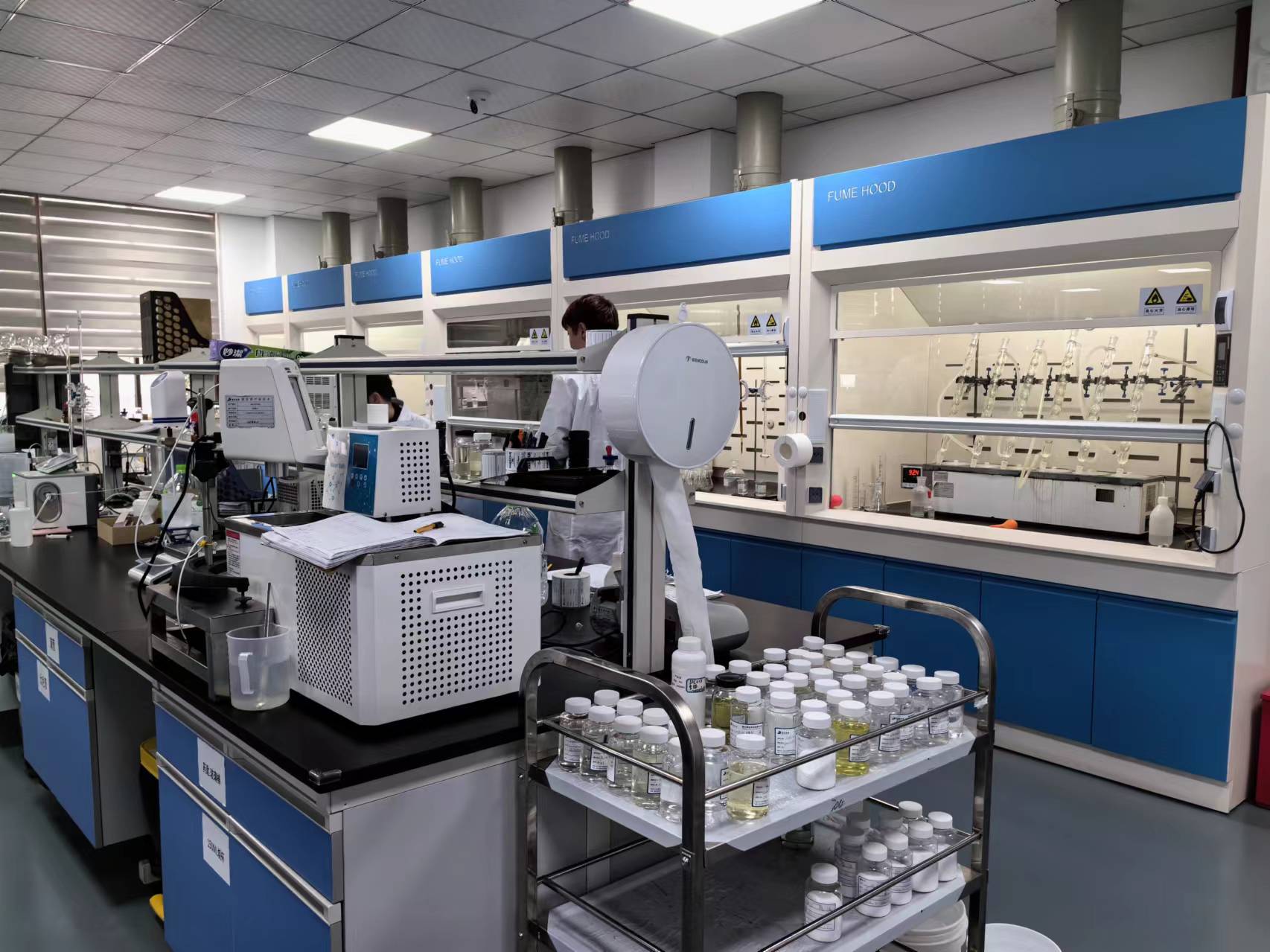
While sodium polyacrylate is widely used for its superabsorbent properties, it’s important to be aware of the potential health risks associated with its use. Although generally considered safe, certain situations can pose risks, especially if the substance is mishandled or misused. Understanding these risks and recognizing the symptoms of toxicity can help prevent adverse health effects.
1. Inhalation Risks:
- Scenario: During the manufacturing process or if the product is damaged, sodium polyacrylate can become airborne in its powder form.
- Symptoms: Inhaling sodium polyacrylate powder can irritate the respiratory tract, leading to symptoms such as coughing, sneezing, and shortness of breath. In severe cases, prolonged exposure can exacerbate respiratory conditions like asthma or bronchitis.
- Prevention: Use protective equipment, such as masks and respirators, when handling sodium polyacrylate in its powder form. Ensure proper ventilation in areas where the substance is used.
2. Skin Contact:
- Scenario: Direct and prolonged contact with sodium polyacrylate, particularly in its powder form, can occur during manufacturing or improper use of consumer products.
- Symptoms: Skin contact can cause mild irritation, redness, and dryness. In rare cases, sensitive individuals might experience allergic reactions, including itching and swelling.
- Prevention: Use gloves and protective clothing when handling sodium polyacrylate. In consumer products, ensure the polymer is encapsulated within fabric layers to minimize direct skin contact.
3. Ingestion:
- Scenario: Accidental ingestion can happen, particularly with young children or pets, who might chew on products containing sodium polyacrylate.
- Symptoms: Ingesting sodium polyacrylate can lead to gastrointestinal obstruction due to its high absorbency. Symptoms include nausea, vomiting, abdominal pain, and constipation. Large quantities can cause more severe blockages, requiring medical intervention.
- Prevention: Keep products containing sodium polyacrylate out of reach of children and pets. Educate family members about the potential risks and ensure proper storage.
4. Eye Contact:
- Scenario: Accidental contact with the eyes can occur if sodium polyacrylate powder becomes airborne or during the handling of products.
- Symptoms: Eye contact can cause irritation, redness, watering, and discomfort. In severe cases, it may result in corneal abrasions.
- Prevention: Use safety goggles when handling sodium polyacrylate in its powder form. In case of accidental contact, rinse the eyes thoroughly with water and seek medical attention if irritation persists.
5. Chronic Exposure:
- Scenario: Repeated exposure over long periods, particularly in industrial settings, can have cumulative effects.
- Symptoms: Chronic exposure to sodium polyacrylate powder may lead to persistent respiratory issues, skin sensitization, and potential long-term health effects that are still under investigation.
- Prevention: Implement safety protocols, including regular health monitoring, use of protective equipment, and proper ventilation in workplaces.
Emergency Response:
- Inhalation: Move to fresh air immediately. Seek medical attention if breathing difficulties persist.
- Skin Contact: Wash the affected area with soap and water. Remove contaminated clothing. Consult a doctor if irritation continues.
- Ingestion: Do not induce vomiting. Seek immediate medical help, especially if large quantities were ingested.
- Eye Contact: Rinse eyes with water for at least 15 minutes. Remove contact lenses if applicable. Seek medical attention if irritation persists.
Environmental Considerations:
- Disposal: Proper disposal of products containing sodium polyacrylate is crucial to prevent environmental contamination. Follow local regulations for disposal and recycling.
- Impact on Wildlife: Sodium polyacrylate can pose risks to wildlife if ingested. Proper containment and disposal are essential to minimize these risks.
Conclusion:
While sodium polyacrylate is generally safe when used correctly, being aware of the potential health risks and symptoms of toxicity is crucial for prevention and early intervention. Proper handling, protective measures, and immediate response to exposure can significantly reduce health risks. By understanding and mitigating these risks, we can safely enjoy the benefits of sodium polyacrylate in our everyday products.
Environmental Impact of Sodium Polyacrylate: Is It Toxic to Ecosystems?
Sodium polyacrylate is renowned for its superabsorbent properties and extensive use in consumer products, agriculture, and industrial applications. However, its environmental impact, particularly its toxicity to ecosystems, is a critical concern that warrants thorough examination. Let’s delve into the environmental footprint of sodium polyacrylate and assess its potential risks to ecosystems.

1. Persistence in the Environment:
- Biodegradability: Sodium polyacrylate is a synthetic polymer that does not readily biodegrade. Its persistence in the environment means that once it enters the soil or water systems, it can remain for extended periods without breaking down into harmless components.
- Accumulation: The accumulation of sodium polyacrylate in the environment can pose long-term ecological challenges. Its presence in landfills, agricultural soils, and water bodies raises concerns about its potential to disrupt natural processes.
2. Impact on Soil Health:
- Water Retention: In agricultural applications, sodium polyacrylate is used to improve soil water retention, reducing irrigation needs and enhancing plant growth. While beneficial in controlled amounts, excessive use can alter soil structure and water balance.
- Soil Microorganisms: Soil health relies on a delicate balance of microorganisms. Studies have shown mixed results regarding the impact of sodium polyacrylate on soil microbiota. While some research indicates minimal effects, other studies suggest that high concentrations could inhibit microbial activity, potentially disrupting nutrient cycles.
3. Effects on Water Systems:
- Runoff and Leaching: Sodium polyacrylate can enter water systems through runoff from agricultural fields or improper disposal. Once in aquatic environments, its water-absorbing properties can alter the local water balance.
- Aquatic Life: The presence of sodium polyacrylate in water bodies can affect aquatic organisms. While the polymer itself is not acutely toxic, its ability to absorb water and swell can impact small aquatic creatures, potentially clogging their digestive systems or altering their habitats.
4. Interaction with Wildlife:
- Ingestion: Wildlife may inadvertently ingest sodium polyacrylate, mistaking it for food. Ingesting the polymer can cause gastrointestinal obstruction, leading to severe health issues or death in animals.
- Physical Disruption: Sodium polyacrylate’s presence in the environment can physically alter habitats. For example, its accumulation in soil can change the texture and porosity, affecting burrowing animals and plant root systems.
Conclusion:
While sodium polyacrylate offers significant benefits due to its superabsorbent properties, its environmental impact cannot be ignored. Its persistence in the environment, potential to disrupt soil and aquatic ecosystems, and challenges associated with disposal highlight the need for careful management and ongoing research. By understanding these impacts and adopting sustainable practices, we can balance the benefits of sodium polyacrylate with the imperative to protect our ecosystems.
Alternatives to Sodium Polyacrylate: Finding Non-Toxic Absorbent Solutions
Sodium polyacrylate is widely used for its superabsorbent properties, but concerns about its environmental impact and potential health risks drive the search for safer, non-toxic alternatives. Here’s a comprehensive look at various alternatives to sodium polyacrylate, focusing on their absorbent capabilities and safety profiles.
1. Cellulose-Based Absorbents:
- Material Overview: Cellulose, derived from plant fibers, is a natural and renewable resource. It is commonly used in absorbent products like diapers and sanitary pads.
- Absorption Capacity: While cellulose fibers are not as absorbent as sodium polyacrylate, they still offer substantial absorbency and are highly effective in applications requiring moderate moisture retention.
- Safety Profile: Cellulose is biodegradable and non-toxic, posing minimal health risks. It is gentle on the skin and less likely to cause irritation, making it a safe choice for personal care products.
2. Cornstarch-Based Absorbents:
- Material Overview: Cornstarch absorbents are made from natural corn fibers, making them biodegradable and environmentally friendly.
- Absorption Capacity: These absorbents swell when exposed to moisture, similar to sodium polyacrylate, though their overall capacity may be slightly lower.
- Safety Profile: Cornstarch is non-toxic and hypoallergenic, reducing the risk of skin irritation and allergic reactions. Its biodegradability ensures minimal environmental impact.
3. Chitosan-Based Absorbents:
- Material Overview: Chitosan, derived from chitin found in shellfish exoskeletons, is a natural polymer with excellent absorbent properties.
- Absorption Capacity: Chitosan is highly absorbent and can hold significant amounts of moisture, making it suitable for various applications, including medical and personal care products.
- Safety Profile: Chitosan is biodegradable and non-toxic. However, it may cause allergic reactions in individuals with shellfish allergies, so it should be used with caution.
4. Superabsorbent Polymer Hydrogels:
- Material Overview: These are synthetic hydrogels designed to mimic the absorbent properties of sodium polyacrylate but with enhanced safety profiles and biodegradability.
- Absorption Capacity: Superabsorbent hydrogels can absorb and retain large volumes of liquid, often surpassing the capacity of sodium polyacrylate.
- Safety Profile: Newer formulations focus on reducing toxicity and improving environmental safety. These hydrogels are designed to break down more easily in the environment, reducing long-term ecological impact.
5. Peat Moss Absorbents:
- Material Overview: Peat moss is a natural material harvested from peat bogs. It is highly absorbent and has been used traditionally for soil conditioning and moisture retention.
- Absorption Capacity: Peat moss can absorb and hold large amounts of moisture, making it effective in applications like gardening and spill cleanup.
- Safety Profile: While peat moss is non-toxic and biodegradable, its extraction raises environmental concerns, as peat bogs are crucial carbon sinks. Sustainable harvesting practices are essential to mitigate ecological damage.
6. Plant-Based Gels:
- Material Overview: These gels are made from various plant-based materials, including aloe vera and agar, offering natural and biodegradable absorbent options.
- Absorption Capacity: Plant-based gels are effective in absorbing and retaining moisture, suitable for personal care and medical applications.
- Safety Profile: These materials are generally non-toxic and gentle on the skin, posing minimal health risks. They are also environmentally friendly due to their natural origin and biodegradability.
7. Biodegradable Superabsorbents:
- Material Overview: Innovations in polymer science have led to the development of biodegradable superabsorbents made from renewable resources like polylactic acid (PLA) and polyvinyl alcohol (PVA).
- Absorption Capacity: These superabsorbents offer high absorption capacities similar to sodium polyacrylate, suitable for a wide range of applications.
- Safety Profile: Designed to be non-toxic and environmentally friendly, biodegradable superabsorbents break down more easily, reducing long-term environmental impact.
8. Hemp-Based Absorbents:
- Material Overview: Hemp fibers, known for their strength and absorbency, are used in various absorbent products, including textiles and personal care items.
- Absorption Capacity: Hemp absorbents can hold significant moisture, making them effective for moderate absorbency needs.
- Safety Profile: Hemp is non-toxic, biodegradable, and sustainable, with minimal environmental impact. It is also hypoallergenic and safe for skin contact.
9. Sodium Carboxymethyl Cellulose (CMC):
- Material Overview: CMC is a cellulose derivative that forms hydrogels with high absorbency.
- Absorption Capacity: CMC can absorb substantial amounts of water and form stable gels, making it useful in medical and industrial applications.
- Safety Profile: CMC is generally recognized as safe (GRAS) and used in food and pharmaceutical products. It is biodegradable and non-toxic.
10. Eco-Friendly Composites:
- Material Overview: Composite materials combining natural fibers and biodegradable polymers offer enhanced absorbent properties and environmental benefits.
- Absorption Capacity: These composites are designed to maximize absorbency while maintaining structural integrity.
- Safety Profile: Eco-friendly composites are non-toxic and biodegradable, making them safe for both human health and the environment. They represent a promising area of innovation for sustainable absorbent solutions.
Conclusion:
While sodium polyacrylate remains a popular absorbent, several non-toxic and environmentally friendly alternatives offer effective moisture retention with minimal health and ecological risks. From natural materials like cellulose and cornstarch to innovative biodegradable polymers, these alternatives provide safe and sustainable options for various applications. By choosing these alternatives, consumers and industries can enjoy the benefits of high absorbency while prioritizing safety and environmental stewardship.
Conclusion
When sodium polyacrylate used as intended and produced according to regulatory standards, poses minimal risk to human health. Its potential for causing irritation or respiratory discomfort is primarily linked to improper handling, particularly in its raw powdered form. Therefore, proper precautions in industrial settings and adherence to usage guidelines in consumer products are essential to ensure safety.
Moreover, the environmental impact of sodium polyacrylate cannot be overlooked. Its non-biodegradable nature calls for responsible disposal practices and continued efforts to develop and utilize biodegradable alternatives. Innovations in absorbent materials offer promising solutions that balance efficacy with environmental sustainability.
In conclusion, while sodium polyacrylate is largely safe for its intended uses, informed choices and responsible practices are key. By staying educated on its properties, potential risks, and safer alternatives, consumers and industries alike can make decisions that prioritize health and environmental well-being. As research and technology advance, the quest for even safer and more sustainable absorbent solutions continues, ensuring a future where performance and safety go hand in hand.
FAQ About Sodium Polyacrylate Toxicity
1. What is sodium polyacrylate, and where is it commonly used?
- Answer: Sodium polyacrylate is a superabsorbent polymer known for its ability to absorb and retain large amounts of liquid. It is commonly used in products such as diapers, sanitary pads, adult incontinence products, and agricultural soil conditioners.
2. Is sodium polyacrylate toxic to humans?
- Answer: Sodium polyacrylate itself is generally considered non-toxic to humans when used as intended. However, exposure to its powdered form can cause mild skin and eye irritation. Inhalation of fine particles should be avoided, as it can irritate the respiratory system.
3. Can sodium polyacrylate cause skin irritation?
- Answer: When properly encapsulated in products, sodium polyacrylate is unlikely to cause skin irritation. Direct contact with the dry powder, however, can cause mild irritation. It is important to handle it carefully and avoid direct skin contact with the raw material.
4. What are the potential health risks of inhaling sodium polyacrylate particles?
- Answer: Inhalation of fine sodium polyacrylate particles can irritate the respiratory tract and may exacerbate conditions such as asthma. Protective measures, such as wearing masks and ensuring proper ventilation, are recommended in industrial settings to minimize these risks.
5. Is sodium polyacrylate safe for use in baby diapers and sanitary pads?
- Answer: Yes, sodium polyacrylate is widely used in baby diapers and sanitary pads and is considered safe for these applications. Regulatory standards ensure that the polymer is of high quality and free from harmful contaminants.
6. How does sodium polyacrylate impact the environment?
- Answer: Sodium polyacrylate is not readily biodegradable, which raises concerns about its environmental impact. While it does not release toxic by-products, its persistence in the environment can disrupt soil and aquatic ecosystems. Responsible disposal and efforts to find biodegradable alternatives are important.
7. What are the symptoms of sodium polyacrylate exposure?
- Answer: Symptoms of exposure to sodium polyacrylate can include skin and eye irritation, respiratory discomfort if inhaled, and gastrointestinal blockage if ingested. It is crucial to handle the material safely and follow usage guidelines.
8. Are there any regulatory guidelines for the use of sodium polyacrylate?
- Answer: Yes, regulatory bodies such as the FDA, EPA, and CPSC have established guidelines and standards for the use of sodium polyacrylate in consumer products. These regulations ensure that the polymer is safe for use and free from harmful levels of residual monomers or contaminants.
9. What should I do if I accidentally ingest sodium polyacrylate?
- Answer: If sodium polyacrylate is ingested, seek medical attention immediately. While the polymer itself is not highly toxic, its absorbent properties can cause gastrointestinal blockage, which can be serious and requires medical intervention.
10. What are some non-toxic alternatives to sodium polyacrylate?
- Answer: Non-toxic alternatives to sodium polyacrylate include cellulose-based absorbents, cornstarch-based absorbents, chitosan, plant-based gels, and biodegradable superabsorbent polymers. These alternatives offer effective moisture retention while minimizing health and environmental risks.
11. How can I identify safe sodium polyacrylate products?
- Answer: To identify safe sodium polyacrylate products, check for ingredient lists, safety certifications, and brand reputation. Avoid cheap or unbranded products and look for products that provide clear usage instructions and warnings. Reading consumer reviews can also provide insights into product safety.
12. What precautions should be taken when handling sodium polyacrylate in industrial settings?
- Answer: In industrial settings, workers should use protective equipment such as gloves, masks, and safety goggles to prevent skin, eye, and respiratory exposure. Proper ventilation and adherence to safety protocols are crucial to minimize health risks.
13. Can sodium polyacrylate be recycled?
- Answer: Sodium polyacrylate itself is not easily recyclable. However, some products containing sodium polyacrylate may have components that can be recycled. It is important to follow local recycling guidelines and properly dispose of products to reduce environmental impact.
14. How does sodium polyacrylate compare to other absorbents in terms of safety and effectiveness?
- Answer: Sodium polyacrylate is highly effective as an absorbent and generally safe for use in consumer products. However, alternatives like cellulose, cornstarch, and biodegradable polymers offer safer and more environmentally friendly options, albeit sometimes with slightly lower absorbency. Comparisons depend on specific application needs and safety priorities.
Environmental Impact of Sodium Polyacrylate: Benefits and Challenges
Sodium Polyacrylate Explained: Why Does Sodium Polyacrylate Absorb Water?