Sodium Polyacrylate Explained: Why Does Sodium Polyacrylate Absorb Water?
Have you ever wondered how diapers can hold so much liquid without leaking? Or why those little water-absorbing crystals in your garden soil swell up after a rainstorm? The answer lies in a fascinating substance called sodium polyacrylate. This super-absorbent polymer can soak up water like a sponge, making it a marvel of modern science. In this blog post, I will unravel the mystery of sodium polyacrylate, exploring its chemical structure, everyday uses, and the science behind its remarkable absorbent properties. We'll also look at its environmental impact and dive into some innovative applications that might surprise you. Whether you're a curious reader or a purchasing agent looking to understand this versatile polymer, you're in for an enlightening journey. Let's dive in!
10 Tips for Understanding and Utilizing Sodium Polyacrylate
- Understand the Basics: Learn about the chemical structure and properties of sodium polyacrylate to appreciate its water-absorbing capabilities.
- Proper Handling: Always handle sodium polyacrylate powder with care to avoid inhalation, which can irritate the respiratory system.
- Choose the Right Product: Select sodium polyacrylate products tailored to your specific needs, whether for diapers, agricultural use, or industrial applications.
- Check for Quality: Ensure you are purchasing high-quality sodium polyacrylate from reputable suppliers to guarantee its effectiveness and safety.
- Environmentally Responsible Use: Be aware of the environmental impact and look for ways to use sodium polyacrylate responsibly, such as proper disposal and exploring biodegradable alternatives.
- Storage Tips: Store sodium polyacrylate in a cool, dry place to maintain its absorbency and prevent premature degradation.
- Optimize Agricultural Use: When using sodium polyacrylate in agriculture, follow recommended application rates to maximize water retention and plant growth benefits.
- Consider Cross-Linking Levels: Understand the degree of cross-linking in the sodium polyacrylate product you are using, as it affects absorbency and gel strength.
- Innovative Applications: Explore innovative uses of sodium polyacrylate in fields like medicine, cosmetics, and engineering to leverage its full potential.
- Stay Informed: Keep up with the latest research and developments in sodium polyacrylate technology to make informed decisions about its use and potential environmental impact.
The Chemical Structure of Sodium Polyacrylate: How It Facilitates Water Absorption

Sodium polyacrylate, often referred to as the "super absorbent polymer," is a true marvel of chemical engineering. To understand why this polymer can absorb water so effectively, one must first delve into its molecular structure.
At its core, sodium polyacrylate is a long chain of repeating units derived from acrylic acid. These repeating units, called monomers, form a polymer through a process known as polymerization. In sodium polyacrylate, the acrylic acid monomers are neutralized with sodium hydroxide, creating a sodium salt of polyacrylic acid. This chemical modification is crucial because it endows the polymer with its extraordinary water-absorbing capabilities.
The magic lies in the ionic nature of the polymer. Each repeating unit in the sodium polyacrylate chain contains a carboxylate group (-COONa). When water is introduced, the sodium ions (Na+) dissociate from the carboxylate groups, leaving behind negatively charged carboxylate ions (COO-). These negative charges repel each other, causing the polymer chain to stretch out and expand.
Furthermore, the negatively charged carboxylate groups attract and bond with the positive hydrogen atoms in water molecules (H2O). This electrostatic attraction pulls water into the polymer matrix, where it becomes trapped within the network of expanded polymer chains. The structure can absorb many times its own weight in water, forming a gel-like substance that is both voluminous and stable.
Another critical aspect of sodium polyacrylate's structure is its cross-linked nature. Cross-linking refers to the process of chemically bonding the polymer chains together at various points, creating a three-dimensional network. This cross-linked network prevents the polymer from dissolving in water. Instead, it allows the polymer to swell and retain water within its matrix, contributing to the material's high absorbency and gel formation properties.
The degree of cross-linking can be adjusted during the manufacturing process to tailor the polymer's absorbent properties. A higher degree of cross-linking typically results in a firmer gel with lower absorption capacity, while a lower degree of cross-linking produces a softer gel with higher absorption capacity. This flexibility allows sodium polyacrylate to be customized for various applications, from super absorbent diapers to efficient water retainers in agricultural soils.
In summary, the remarkable water absorption capability of sodium polyacrylate is due to its unique molecular structure. The combination of ionic carboxylate groups, electrostatic attraction, and a cross-linked polymer network enables it to draw in and trap large volumes of water. This sophisticated chemical architecture not only explains why sodium polyacrylate can absorb water so efficiently but also underscores its versatility in a wide range of practical applications.
Common Uses of Sodium Polyacrylate in Everyday Products
Sodium polyacrylate's impressive water-absorbing capabilities have led to its incorporation into a diverse array of everyday products. From household items to agricultural innovations, this super absorbent polymer (SAP) plays a critical role in enhancing the functionality and effectiveness of various applications.
Diapers and Personal Hygiene Products
One of the most well-known uses of sodium polyacrylate is in disposable diapers and other personal hygiene products, such as adult incontinence pads and feminine hygiene products. In these applications, sodium polyacrylate's ability to absorb and retain large amounts of liquid is indispensable. The polymer is typically integrated into the core of
the diaper, where it works to quickly draw moisture away from the skin, locking it within the polymer matrix to keep the wearer dry and comfortable. The use of sodium polyacrylate not only improves the absorbency of these products but also helps to minimize the risk of diaper rash and other skin irritations by reducing the amount of moisture in contact with the skin. This ability to absorb and hold many times its weight in liquid is what makes modern diapers so effective and convenient.
Agricultural Products
In agriculture, sodium polyacrylate is utilized in products designed to improve water retention in soil. These water-absorbing crystals, often referred to as hydrogel or water-retentive granules, can be mixed into the soil where they absorb and store water. During dry periods, the stored water is slowly released to the plants' roots, ensuring they have a steady supply of moisture. This technology is particularly beneficial in arid and drought-prone regions, where efficient water use is critical. By enhancing soil moisture retention, sodium polyacrylate helps to improve crop yields, reduce the frequency of irrigation, and conserve water resources. Additionally, these hydrogels can reduce soil erosion and nutrient leaching, promoting healthier plant growth.
Absorbent Pads
Sodium polyacrylate is also a key component in a variety of absorbent pads used in different settings. For instance, in medical applications, absorbent pads containing sodium polyacrylate are used to manage wound exudate, keeping wounds dry and promoting faster healing. These pads can absorb significant amounts of fluid, which helps to prevent the growth of bacteria and reduces the risk of infection. In the food industry, absorbent pads are placed under packaged meat, poultry, and seafood to soak up excess fluids, keeping the packaging clean and extending the shelf life of the products.
Spill Control Products
In industrial and environmental settings, sodium polyacrylate is used in products designed to manage liquid spills. These include absorbent socks, pillows, and mats that can rapidly absorb large volumes of water, oil, and other liquids. Such products are crucial for spill containment and cleanup, especially in situations where quick response is necessary to prevent environmental contamination or workplace hazards. The high absorbency and containment properties of sodium polyacrylate make it an effective solution for managing accidental spills and leaks.
Consumer Products
Beyond its specialized applications, sodium polyacrylate is also found in a variety of consumer products designed to manage moisture. For example, moisture-absorbing sachets containing sodium polyacrylate are used in packaging to keep products dry and prevent damage from humidity. These sachets are commonly found in electronics, pharmaceuticals, and food packaging. Additionally, sodium polyacrylate is used in products like moisture-absorbing mats for pet areas and shoe inserts to keep feet dry.
In conclusion, sodium polyacrylate's versatility and high water-absorbing capacity make it an invaluable component in a wide range of everyday products. From improving personal hygiene and agricultural efficiency to enhancing medical care and spill management, this super absorbent polymer continues to make significant contributions to various industries. Its ability to absorb and retain large amounts of liquid not only improves the functionality of these products but also provides practical solutions to some of the challenges faced in daily life and industrial processes.
The Science Behind Sodium Polyacrylate's Super Absorbent Properties
Sodium polyacrylate's ability to absorb and retain water is rooted in its fascinating chemical and physical properties. To understand these properties, it's essential to explore the scientific principles that govern how this polymer interacts with water.
Polymer Chain Structure
At the heart of sodium polyacrylate's super absorbent properties is its polymer chain structure. Polymers are large molecules composed of repeating structural units, known as monomers. In the case of sodium polyacrylate, the monomer is acrylic acid, which undergoes polymerization to form long chains of polyacrylic acid. When neutralized with sodium hydroxide, these chains become sodium polyacrylate, a sodium salt of polyacrylic acid.
The polymer chains of sodium polyacrylate are linear and flexible, allowing them to expand and contract significantly. This flexibility is a key factor in the polymer's ability to absorb water. When dry, the chains are coiled and densely packed. Upon exposure to water, the chains uncoil and stretch out as they absorb and trap water molecules within their structure. This expansion process transforms the polymer from a compact, dry powder into a swollen, gel-like substance.
Ionic Characteristics
The ionic nature of sodium polyacrylate plays a crucial role in its water-absorbing capabilities. Each repeating unit in the polymer chain contains a carboxylate group (-COONa). When the polymer comes into contact with water, the sodium ions (Na+) dissociate from the carboxylate groups, leaving negatively charged carboxylate ions (COO-). These negative charges repel each other along the polymer chain, causing the chains to expand and open up.
The presence of these negatively charged carboxylate groups creates an ionic environment within the polymer network. Water molecules, which are polar, are attracted to the ionic sites on the polymer chains. The hydrogen atoms in the water molecules (which carry a slight positive charge) are drawn to the negatively charged carboxylate groups. This electrostatic attraction pulls water into the polymer matrix, where it is held tightly by the ionic interactions.
Cross-Linking and Network Formation
In addition to its polymer chain structure and ionic characteristics, the cross-linking of sodium polyacrylate significantly contributes to its super absorbent properties. Cross-linking refers to the process of chemically bonding polymer chains together at various points, creating a three-dimensional network. This network structure is critical because it prevents the polymer from dissolving in water, while still allowing it to absorb and retain large amounts of liquid.
The degree of cross-linking can be controlled during the manufacturing process to tailor the polymer's properties for specific applications. A higher degree of cross-linking results in a denser, more rigid network that absorbs less water but forms a firmer gel. Conversely, a lower degree of cross-linking produces a looser network that can absorb more water and forms a softer gel. This tunability makes sodium polyacrylate suitable for a wide range of products, from highly absorbent diapers to water-retentive soil conditioners.
Osmotic Pressure and Absorption Capacity
Osmotic pressure also plays a significant role in the absorption process. When sodium polyacrylate is placed in water, the difference in ion concentration between the polymer and the surrounding water creates osmotic pressure. This pressure drives water molecules into the polymer network, further enhancing its ability to absorb and retain water.
The combination of osmotic pressure, ionic interactions, and the physical structure of the polymer network allows sodium polyacrylate to absorb up to 300 times its weight in water. This exceptional absorption capacity makes it one of the most efficient super absorbent materials available.
Real-World Implications
The scientific principles behind sodium polyacrylate's absorbent properties have profound real-world implications. For instance, in diapers and personal hygiene products, the polymer's ability to quickly absorb and lock away moisture helps keep the skin dry and reduces the risk of irritation. In agriculture, the same properties enable the polymer to retain water in the soil, providing a steady moisture supply to plants and improving crop yields.
In summary, the super absorbent properties of sodium polyacrylate are the result of its unique polymer chain structure, ionic characteristics, cross-linked network, and the influence of osmotic pressure. These scientific principles combine to create a material that can absorb and retain large quantities of water, making it an invaluable component in a wide range of applications.
Environmental Impact of Sodium Polyacrylate: Is It Eco-Friendly?
Sodium polyacrylate, with its remarkable water-absorbing properties, has found applications in various industries, from personal hygiene products to agriculture. However, its environmental impact is a subject of ongoing debate. To determine whether sodium polyacrylate is eco-friendly, it's essential to consider both its benefits and potential drawbacks.
Benefits of Sodium Polyacrylate
One of the most significant environmental benefits of sodium polyacrylate is its ability to conserve water. In agriculture, this polymer is used in water-retentive soil conditioners and hydrogels that help retain moisture in the soil. By doing so, it reduces the need for frequent irrigation, conserving water resources and supporting sustainable farming practices. In regions prone to drought, the use of sodium polyacrylate can make a substantial difference in crop yields and overall agricultural productivity.
Sodium polyacrylate also plays a crucial role in waste management. In products like diapers and sanitary pads, its high absorbency minimizes the volume of waste by effectively containing fluids. This efficiency means fewer materials are needed to achieve the same level of performance, which can reduce the overall environmental footprint of these products. Additionally, by improving the effectiveness of absorbent products, sodium polyacrylate helps reduce the frequency of product changes and disposal, further lessening waste.
Potential Drawbacks of Sodium Polyacrylate
Despite its benefits, sodium polyacrylate poses several environmental challenges. One of the primary concerns is its non-biodegradable nature. Sodium polyacrylate is a synthetic polymer, and like many plastics, it does not readily break down in the environment. When products containing sodium polyacrylate are disposed of in landfills, they can persist for many years, contributing to the growing problem of plastic pollution.
In agricultural applications, while sodium polyacrylate improves water retention, there is concern about its long-term impact on soil health. The polymer can accumulate in the soil, potentially altering its structure and affecting microbial activity. While some studies suggest that sodium polyacrylate can slowly degrade under certain conditions, the process is not fast enough to mitigate concerns about its accumulation in the environment.
Another issue is the potential for sodium polyacrylate to release acrylamide, a potentially harmful chemical, during its degradation process. Although modern manufacturing techniques aim to minimize residual acrylamide in sodium polyacrylate products, the presence of even small amounts can raise concerns about soil and water contamination.
Lifecycle and Disposal
The environmental impact of sodium polyacrylate also depends on its lifecycle and disposal. The production process for sodium polyacrylate involves the use of various chemicals and energy, contributing to its overall environmental footprint. Efforts to improve the sustainability of production processes are ongoing, but they have yet to fully address the environmental costs associated with the polymer's manufacturing.
When it comes to disposal, sodium polyacrylate-containing products are often incinerated or landfilled. Incineration can reduce the volume of waste but may release harmful emissions if not properly managed. Landfilling, on the other hand, leads to long-term environmental persistence. Developing more sustainable disposal methods, such as recycling or finding biodegradable alternatives, is crucial to mitigating the negative environmental impact of sodium polyacrylate.
Eco-Friendly Alternatives and Innovations
Given the environmental concerns associated with sodium polyacrylate, researchers are exploring eco-friendly alternatives and innovations. Biodegradable superabsorbent polymers, derived from natural materials like starch, cellulose, and chitosan, are being developed as potential replacements. These materials aim to provide similar absorbent properties while breaking down more readily in the environment, reducing their long-term impact.
Innovations in the manufacturing process can also enhance the eco-friendliness of sodium polyacrylate. Techniques that reduce the energy consumption and chemical usage during production, as well as methods to recycle and repurpose used polymer products, are being investigated. These advancements could help lessen the overall environmental footprint of sodium polyacrylate.
Innovative Uses of Sodium Polyacrylate in Modern Technology
Sodium polyacrylate, renowned for its exceptional water-absorbing capabilities, has transcended its traditional applications in diapers and agriculture. Modern technology has unlocked a plethora of innovative uses for this versatile polymer across various industries, showcasing its adaptability and effectiveness.
Medical Applications

In the medical field, sodium polyacrylate is being used in a range of advanced applications to improve patient care and outcomes. One notable use is in wound care products. Superabsorbent dressings incorporating sodium polyacrylate can manage exudate from wounds more effectively than traditional dressings. These dressings not only absorb large volumes of fluid but also maintain a moist environment conducive to healing, reduce the risk of infection, and minimize the need for frequent dressing changes. This enhances patient comfort and speeds up recovery times.
Additionally, sodium polyacrylate is being explored for its potential in drug delivery systems. Researchers are developing hydrogel-based drug delivery platforms where sodium polyacrylate acts as a carrier for therapeutic agents. These hydrogels can be designed to release drugs at a controlled rate, improving the efficacy and precision of treatments. This approach is particularly valuable in localized therapies, such as targeted cancer treatments, where precise drug delivery is crucial.
Cosmetics and Personal Care

In the cosmetics and personal care industry, sodium polyacrylate's unique properties make it an essential ingredient in various formulations. It is widely used as a thickening agent and emulsifier in creams, lotions, and gels, where it helps stabilize products and enhance their texture. Its ability to absorb and retain water also makes it an excellent humectant, helping to keep skin hydrated and moisturized.
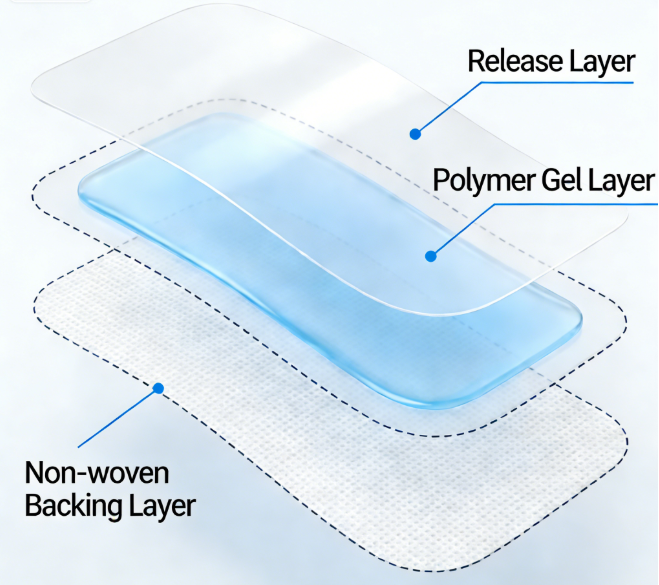
Moreover, sodium polyacrylate is utilized in the formulation of superabsorbent beauty masks and patches. These products leverage the polymer's high absorbency to deliver moisture and active ingredients deeply into the skin. The result is improved hydration and more effective delivery of nutrients and antioxidants, contributing to healthier, more radiant skin.
Engineering and Construction

In the engineering and construction industries, sodium polyacrylate is finding innovative applications that enhance material performance and sustainability. One of the most intriguing uses is in the development of self-healing concrete. By incorporating sodium polyacrylate into concrete mixes, engineers can create materials that automatically seal cracks when exposed to water. The polymer absorbs the water, swells, and fills the cracks, preventing further damage and extending the lifespan of concrete structures. This self-healing capability reduces maintenance costs and improves the durability of infrastructure.
Another engineering application is in the field of hydrogel-based actuators and sensors. Sodium polyacrylate hydrogels can change shape or volume in response to environmental stimuli, such as changes in humidity or temperature. This property makes them ideal for use in smart materials and devices that require responsive behavior. For instance, hydrogel actuators can be used in robotics and soft machinery, where they provide flexible and adaptive movement. Similarly, hydrogel sensors can monitor environmental conditions, offering valuable data for various industrial processes.
Environmental Protection and Cleanup
Sodium polyacrylate's ability to absorb and contain liquids also makes it a valuable tool in environmental protection and cleanup efforts. In oil spill response, superabsorbent polymers are used to create absorbent booms and mats that can quickly soak up oil from water surfaces. This helps to contain and remove oil spills more efficiently, minimizing environmental damage and protecting marine life.
Furthermore, sodium polyacrylate is being utilized in the development of biodegradable superabsorbent materials for soil remediation. These materials can absorb and immobilize contaminants in the soil, reducing their mobility and preventing them from leaching into groundwater. This approach offers a sustainable solution for cleaning up polluted sites and restoring ecosystems.
Advanced Agriculture Technologies
Beyond its traditional use in soil conditioners, sodium polyacrylate is at the forefront of advanced agricultural technologies. Researchers are developing smart irrigation systems that integrate sodium polyacrylate hydrogels to optimize water usage. These systems can sense soil moisture levels and release water as needed, ensuring that crops receive the right amount of water at the right time. This precision irrigation approach enhances water efficiency, reduces waste, and supports sustainable farming practices.
In addition, sodium polyacrylate is being used to create controlled-release fertilizers. By embedding fertilizers within sodium polyacrylate hydrogels, nutrients can be released slowly over time, providing a steady supply to plants. This reduces the need for frequent fertilizer applications, minimizes nutrient runoff, and improves plant health and productivity.
Conclusion
Sodium polyacrylate stands as a testament to the remarkable capabilities of modern materials science. Its ability to absorb water instantaneously, driven by its unique polymer chain structure and ionic interactions, has revolutionized numerous industries, from personal care and agriculture to advanced engineering and environmental protection. While its environmental impact raises valid concerns, ongoing research and innovation aim to mitigate these challenges and explore eco-friendly alternatives. As we continue to harness the potential of sodium polyacrylate in sustainable ways, it remains clear that this versatile polymer will play a pivotal role in shaping the future of technology and resource management, offering solutions that balance efficiency with environmental responsibility.
Common Questions and Answers About Sodium Polyacrylate
1. What is sodium polyacrylate?
Answer: Sodium polyacrylate is a superabsorbent polymer that can absorb and retain large quantities of water relative to its own mass. It is commonly used in products like diapers, agricultural soil conditioners, and absorbent pads due to its remarkable water-absorbing properties.
2. How does sodium polyacrylate absorb water?
Answer: Sodium polyacrylate absorbs water through its polymer chain structure and ionic characteristics. The polymer chains expand as they take in water, while the sodium ions dissociate from the carboxylate groups, creating an ionic environment that attracts and holds water molecules within the polymer matrix.
3. Is sodium polyacrylate safe to use?
Answer: Sodium polyacrylate is generally considered safe for use in consumer products. However, it should be handled properly to avoid inhalation of the dry powder, which can irritate the respiratory system. Products containing sodium polyacrylate should be disposed of according to local regulations.
4. What are the common uses of sodium polyacrylate?
Answer: Common uses of sodium polyacrylate include disposable diapers, adult incontinence products, feminine hygiene products, agricultural soil conditioners, absorbent pads in packaging and medical settings, and spill control products.
5. Can sodium polyacrylate be recycled?
Answer: Recycling sodium polyacrylate is challenging due to its complex chemical structure and the difficulty in separating it from the products it is used in. Current recycling methods for sodium polyacrylate are limited, but research is ongoing to develop more sustainable disposal and recycling processes.
6. Is sodium polyacrylate biodegradable?
Answer: Sodium polyacrylate is not readily biodegradable. It can persist in the environment for many years if not properly managed, which raises concerns about its long-term environmental impact. Efforts are being made to develop biodegradable alternatives and improve the sustainability of existing products.
7. How much water can sodium polyacrylate absorb?
Answer: Sodium polyacrylate can absorb up to 300 times its weight in water, depending on the specific formulation and conditions. This high absorbency makes it an effective material for applications that require rapid and substantial water absorption.
8. What are the environmental impacts of sodium polyacrylate?
Answer: The environmental impacts of sodium polyacrylate include its non-biodegradable nature, potential soil accumulation, and the release of residual chemicals during degradation. While it offers benefits such as water conservation in agriculture, its persistence in the environment poses challenges that need to be addressed through sustainable practices.
9. How is sodium polyacrylate used in agriculture?
Answer: In agriculture, sodium polyacrylate is used as a soil conditioner to improve water retention. It helps soils retain moisture, reduces the need for frequent irrigation, and supports plant growth, particularly in arid regions. The polymer slowly releases water to plant roots, ensuring a steady supply of moisture.
10. What innovations are being developed with sodium polyacrylate?
Answer: Innovations with sodium polyacrylate include its use in self-healing concrete, drug delivery systems, advanced wound care products, and smart irrigation systems. Researchers are also working on developing biodegradable superabsorbent polymers and improving the sustainability of sodium polyacrylate manufacturing processes.
Is Sodium Polyacrylate Toxic? Unveiling the Truth Behind This Common Absorbent