


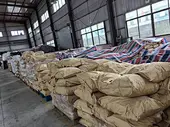

Food Grade Sodium Polyacrylate 9003-04-7
Product Description
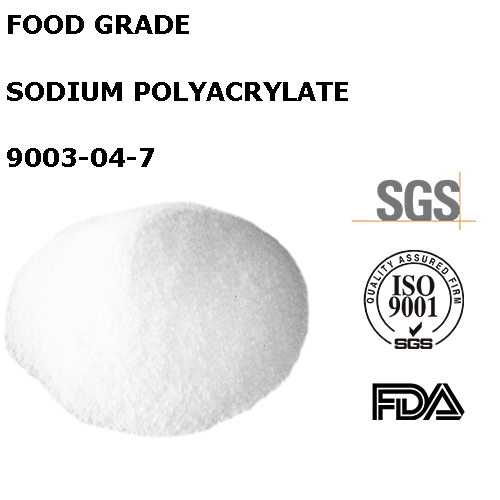
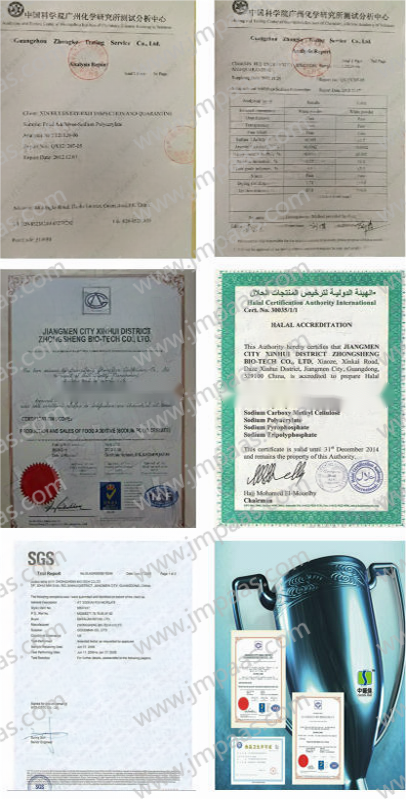
Sodium polyacrylate food grade, also known as polyacrylic acid sodium salt (CAS No. 9003-04-7). Produced in Jiangmen City, Guangdong, China, this high-purity product (99%) is available as a white powder or granular substance. It is odorless and tasteless, and is certified by ISO22000, HALAL, and SC, ensuring its suitability for various applications. The product is packaged in 25 kg bags and has a shelf life of 2 years. Our sodium polyacrylate is comparable to Japanese sodium polyacrylate product.
Scope of Application
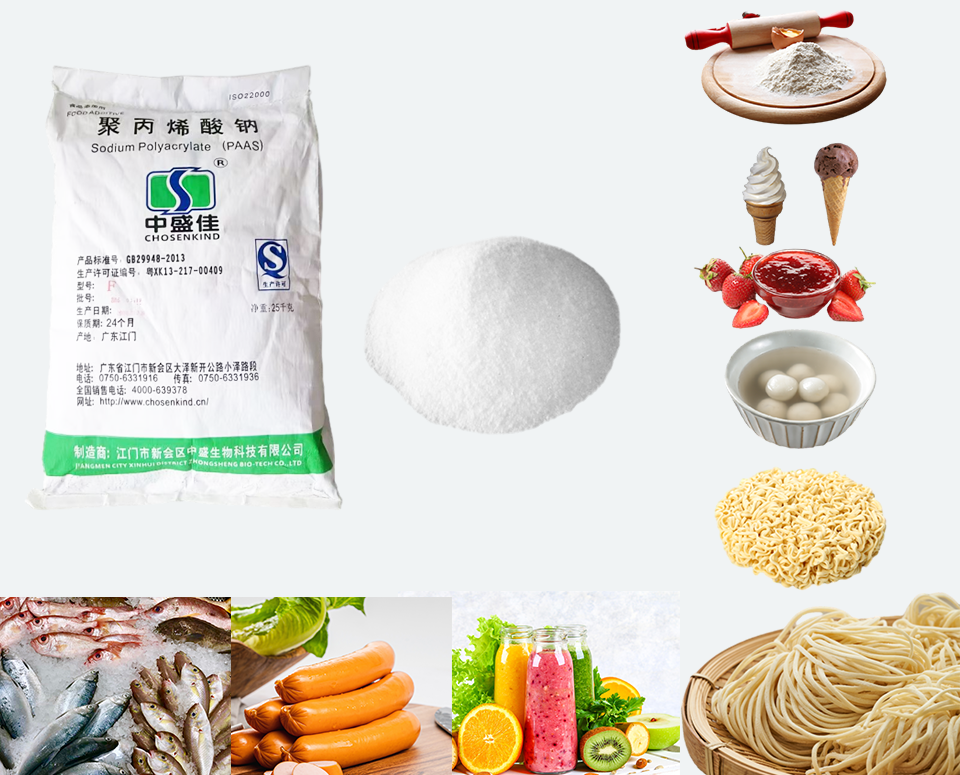
Application of Sodium Polyacrylate Food Additives
- Noodles or Pasta: Enhances the adhesive properties of flour, improves dough extensibility, and prevents nutrient loss. Inhibits drying and increases the flexibility and boiling fastness of vermicelli.
- Instant Noodles: Reduces oil absorption and disperses oil evenly in the dough, saving oil.
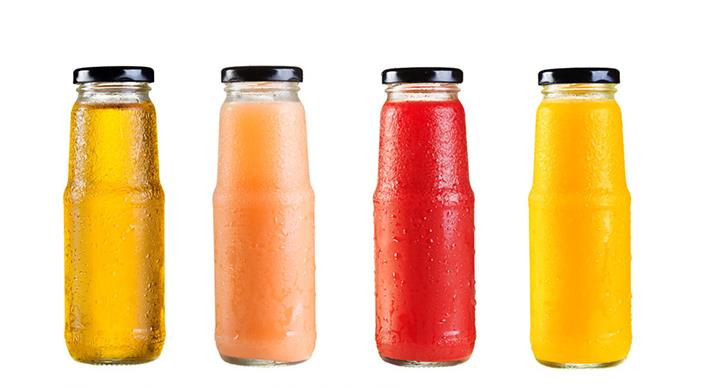
- Beverages: Acts as a stabilizer and emulsifier, replacing CMC, gelatin, agar, and sodium alginate, enhancing effects and reducing costs.
- Meat Processing Products: Increases the viscosity and ductility of protein fibers in sausages, meatballs, and artificial meat, improving taste.
- Cream and Jam: Used as a thickener and stabilizer in sauces, ketchup, mustard, mayonnaise, jams, and ice cream, improving texture and maintaining shape.
Effects in Food
- Water Retention: Keeps moisture evenly distributed in the dough, preventing drying.
- Improved Ductility: Enhances the ductility of the dough.
- Protein Binding: Enhances protein binding in raw flour.
- Starch Binding: Binds starch particles together and disperses them into the protein network.
- Dense Dough Formation: Forms a dense dough with a smooth and shiny surface.
- Stable Colloids: Forms stable dough colloids, preventing soluble starch from oozing out.
- Oil Dispersion: Stably disperses oily ingredients into the dough.
- Viscoelasticity: Interacts with protein to enhance food's viscoelasticity and improve texture.
Bread Improver (Product Code: 20G, 20S, 18F)
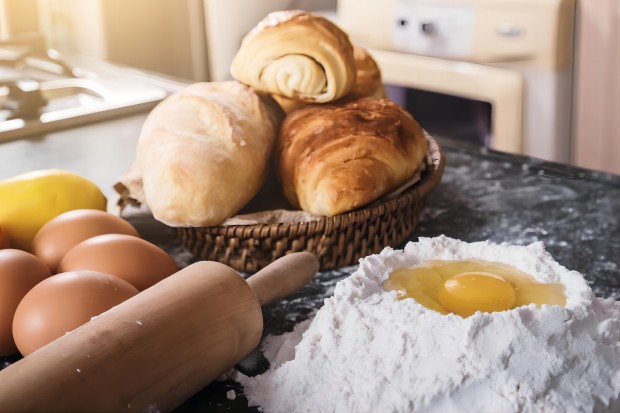
2. Improve the ductility of dough and raw flour utilization, the dough is easy to condition and shape, not easy to oxidize and deteriorate
3. Make the bread taste is soft and moist, the surface is delicate, the pores are fine, color white and bright, and it is not easy to break, does not become hard after cooling
4. Inhibit the aging of bread and other foods caused by natural drying.
Beverage Emulsifier ( Product Code: 20S, 18F, 20G)
Usage and Notes
Dissolution Method
To effectively utilize sodium polyacrylate food grade in food additives, follow these dissolution guidelines:
- Preparation: Use room temperature water, preferably soft water, for the dissolution process.
- Adding the Powder: Slowly and evenly add sodium polyacrylate powder to the water while continuously stirring. Avoid adding large quantities of powder at once to prevent the formation of clumps (micelles), which are difficult to dissolve.
- Stirring: Maintain constant stirring while adding the powder. Ensure that the powder is sprinkled into the water rather than adding water to the powder to facilitate even dissolution.
- Heating: If necessary, gently heat the solution while stirring until a homogeneous mixture is achieved. The solution concentration should generally be maintained between 0.1% and 0.5%.
- Dissolution Time: Allow approximately 0.5 hours for the complete dissolution of sodium polyacrylate into a uniform solution.
Precautions
- Avoid Clumping: Do not add large quantities of powder at once. This can cause the formation of cooked micelles, which are challenging to dissolve.
- Mixing Method: Always sprinkle the sodium polyacrylate powder into the water, not the other way around.
- Temperature: Use room temperature or warm water for the dissolution process, as cold water may slow down the dissolution rate.
- Continuous Stirring: Ensure continuous stirring throughout the process to achieve a consistent and homogeneous solution.
Features and Advantages
Features:
- High Safety: Sodium polyacrylate has been used as a food and feed additive for many years, ensuring its safety and reliability.
- Physical Characteristics: It is available as a white powder or granular form, and is transparent, odorless, and tasteless.
- Solubility and Viscosity: It dissolves slowly in water to form a highly viscous, transparent solution. A 0.2% solution has a viscosity of about 800 cps, which is significantly higher (15-20 times) than that of sodium carboxymethyl cellulose (CMC) and sodium alginate.
- Stability: Exhibits good alkali and temperature resistance, with minor changes in viscosity after prolonged storage, making it stable and resistant to deterioration.
Advantages:
- Enhanced Viscosity and Stickiness: Improves the viscosity and stickiness of products like noodles, rice vermicelli, bread, and other starch-based foods, enhancing their overall texture.
- Flavor and Texture Improvement: Improves the flavor and elasticity of noodles and prevents them from collapsing when boiled.
- Thickening Agent: Serves as an effective thickener for ice cream, bakery goods, sausages, meatballs, and sticky food stuffing.
- Protein Activation and Adhesion: Activates proteins in raw materials, enhancing adhesion and resulting in a delicate and dense dough structure.
- Structural Enhancement: Improves the elasticity, gloss, and inhibits the dissolution of soluble starch or nutrients in flour dough, reducing oil absorption in fried noodles.
- Impact Resistance: Prevents breaking and cracking of noodles or rice noodles due to impact, maintaining their integrity during boiling.
- Water Retention: Inhibits natural drying and aging of pasta and bread, prolonging freshness.
- Manufacturing Efficiency: Increases the manufacturing rate of tofu, rice noodles, boiled noodles, and other related products without altering the taste due to its tasteless and odorless nature.
- Aesthetic Quality: Ensures that the aqueous solution remains colorless and transparent, not affecting the appearance or taste of food.
Certifications
Why Choose Us
Who is CHOSENKIND Sodium Polyacrylate?
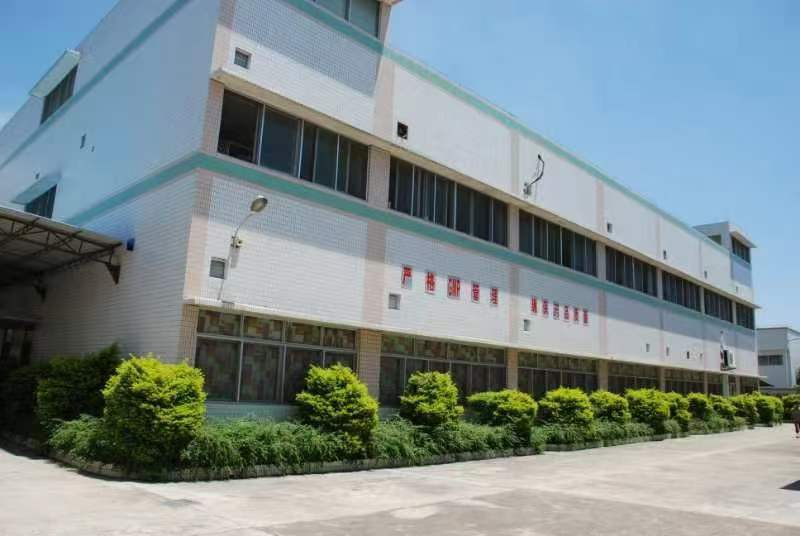
CHOSENKIND is a reputable and experienced Chinese supplier of Sodium Polyacrylate. Established in Jiangmen City, Guangdong Province, we have been dedicated to serving the export market for over 11 years. With two manufacturing facilities, we are well-equipped to meet the needs of customers worldwide, ensuring reliable and high-quality supply.
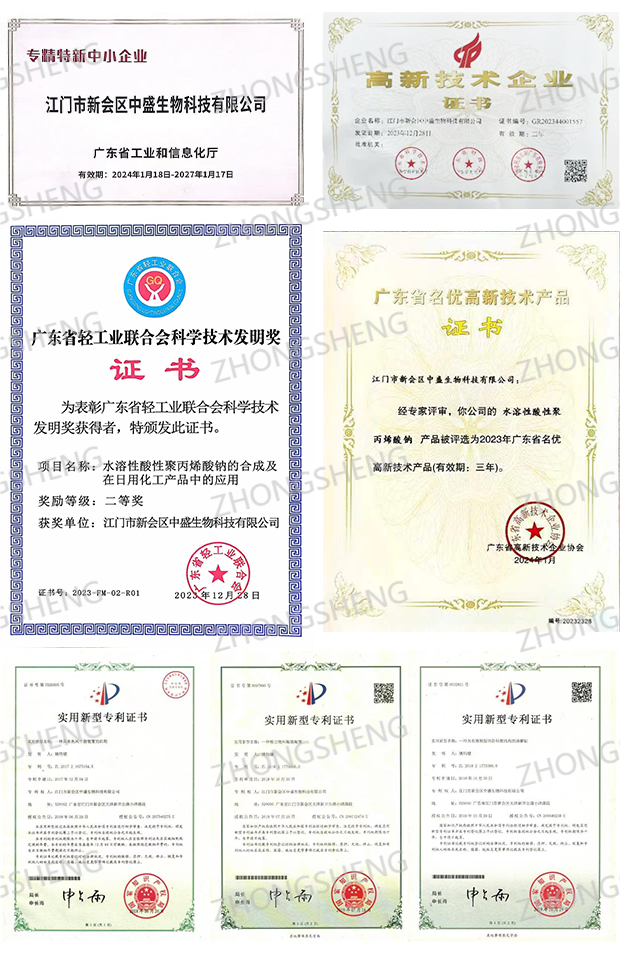
One of Sodium Polyacrylate Industry Standard (T/GDKJ 0024—2022) Setter in China
What Does CHOSENKIND Provide?
At CHOSENKIND, our primary product line focuses on Sodium Polyacrylate. We offer customizable solutions to meet international standards, catering to both premium and cost-effective needs.
Building & Constructions Applications:
- Widely used in the field of Bentonite Improver, Putty Powder Thickening Agent and Concrete Thickener Component.
- Functions as a suspension and stabilizing agent, providing thickening, foam stability, emulsification, dispersion, adhesion, film forming, and moisture retention.
- Used as a thickener and stabilizing agent in drug formulations, including water-based preparations and ointments.
- Used as a binder for fish feed, livestock feed, and various pet feeds.
- Used as a spreading agent for various premixes such as drugs or vitamins for farmed fish or livestock.
- Enhancements for noodles, bread, meatballs, biscuits, drinks, and ice cream to improve texture and quality.
Why Choose Us?
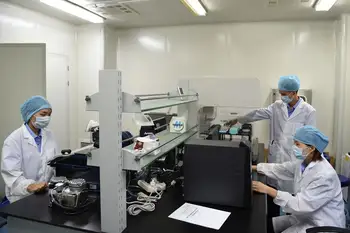
Since our establishment, CHOSENKIND products have been exported to and utilized in over 50 countries. We are committed to ensuring our products meet clients' expectations in terms of quality and price. Additionally, we strive to provide optimal lead times tailored to your project schedule and requirements, guaranteeing satisfaction and efficiency.
What is CHOSENKIND's Mission?
At CHOSENKIND, our mission is to leverage advanced food additive technology to create healthier lives. With a strong background in biology and a solid foundation in technical services, we are dedicated to accelerating the application of Sodium Polyacrylate in both food and industrial fields. Our commitment is to promote human health and improve the quality of life, making significant contributions through our efforts and innovation.
Logistics & Payment

FAQ
What is food grade sodium polyacrylate (9003-04-7)?
How does sodium polyacrylate benefit concrete applications?
